Ready for Your Next Escape?
Discover inspiring places in Les Couleurs du Monde Magazine. Every edition invites you into a world of travel, taste and experiences. Advertising
Sustainable travel in Europe @sustainabletravelineurope
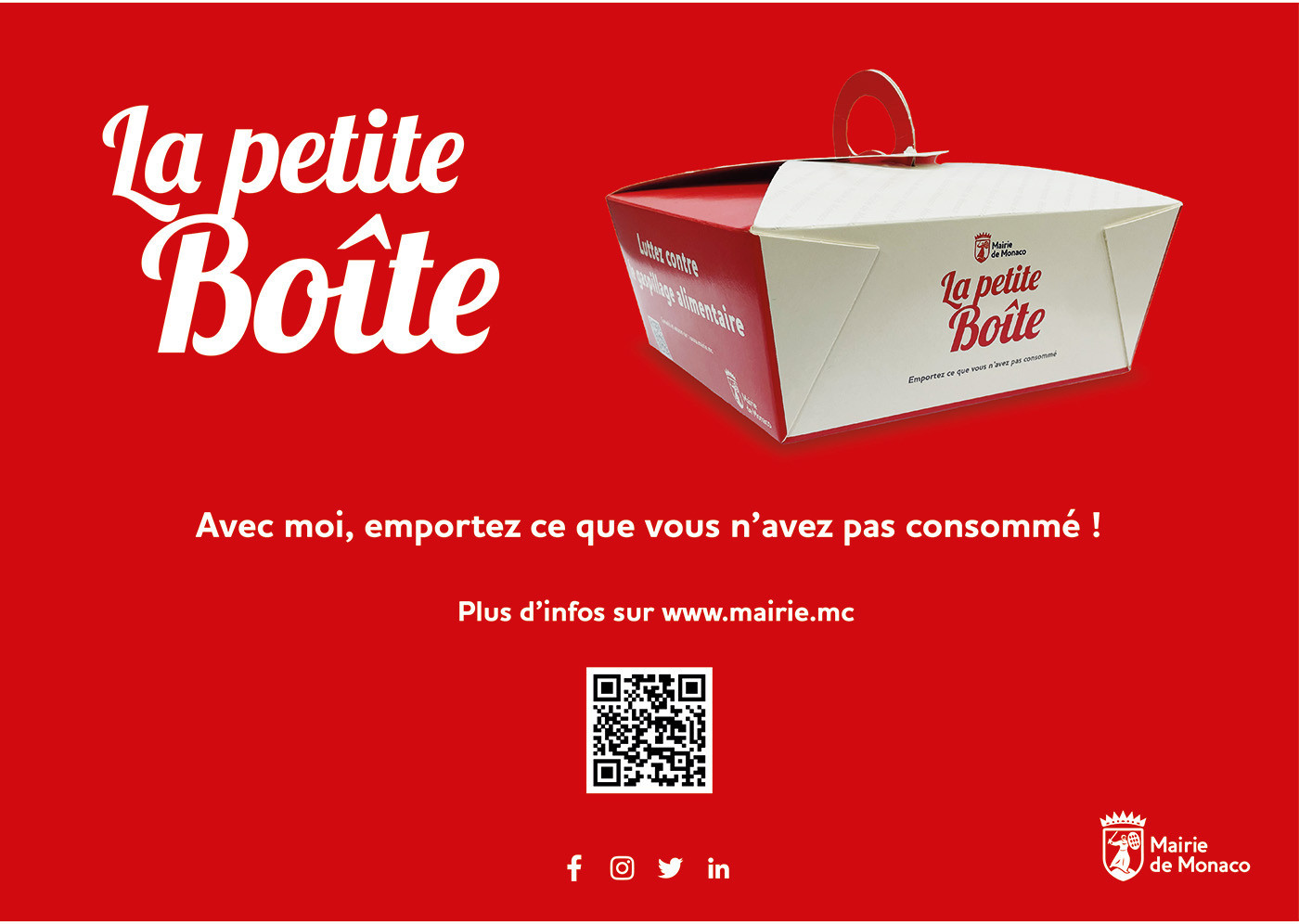
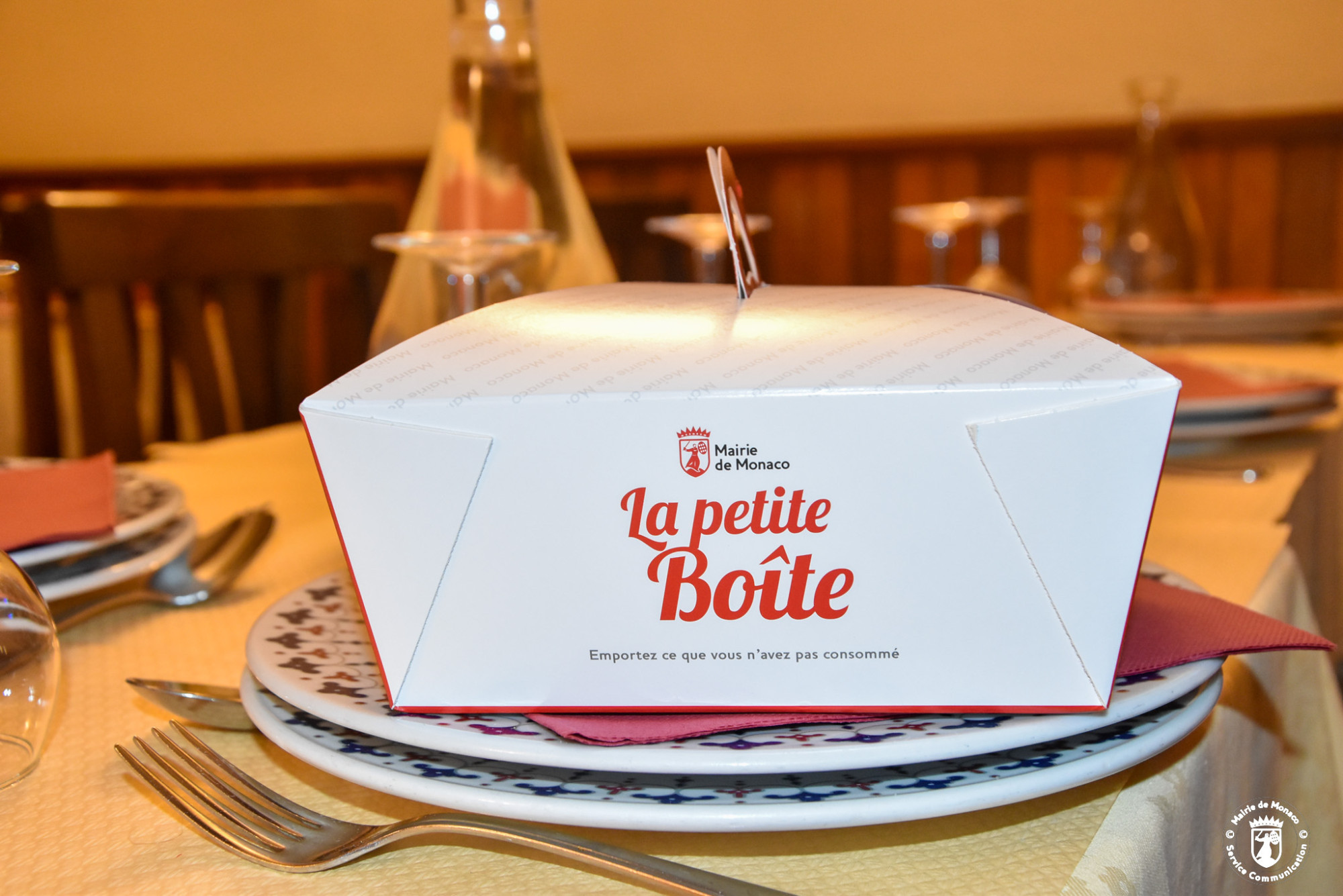
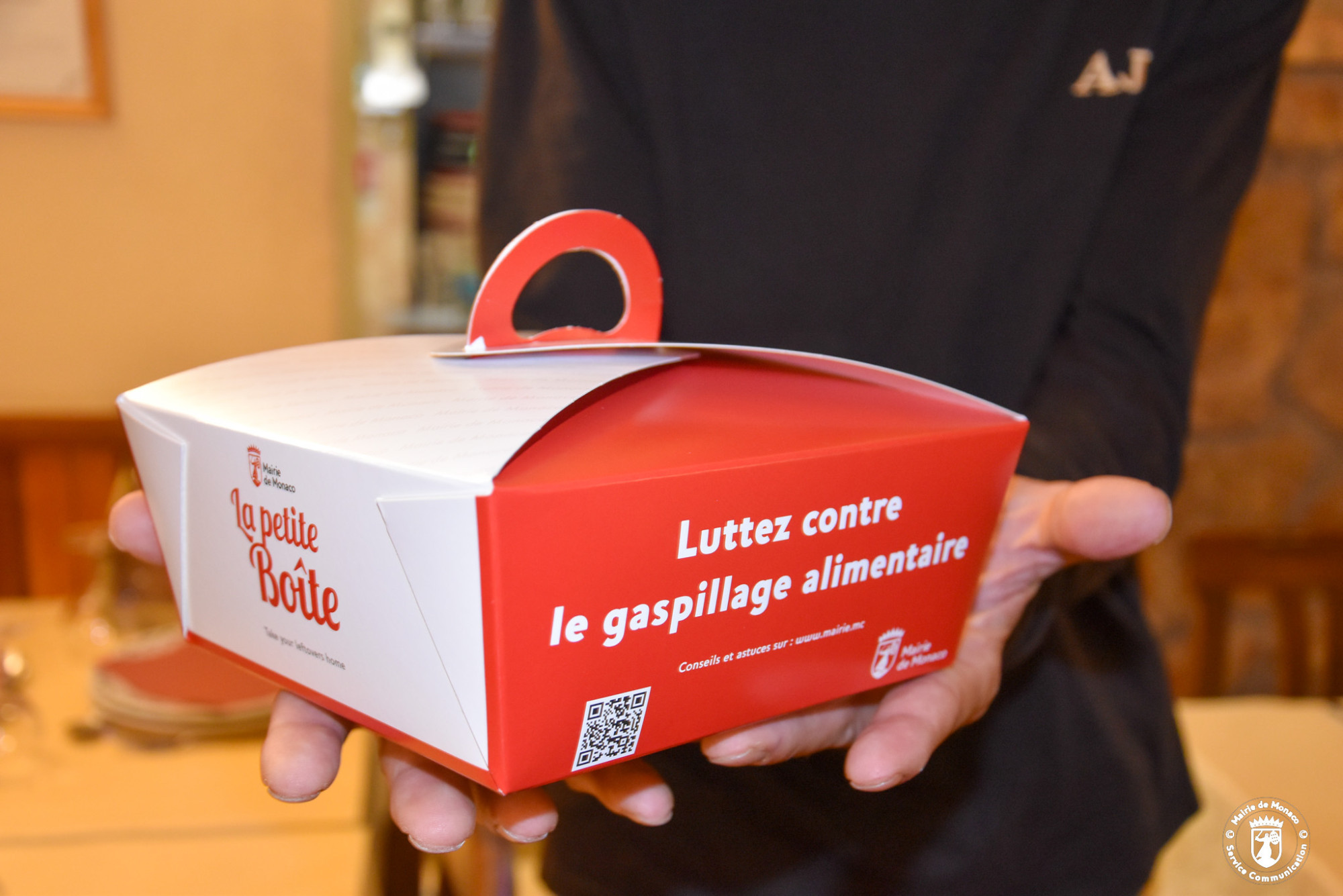
La Petite Boîte – The stylish way to cut food waste
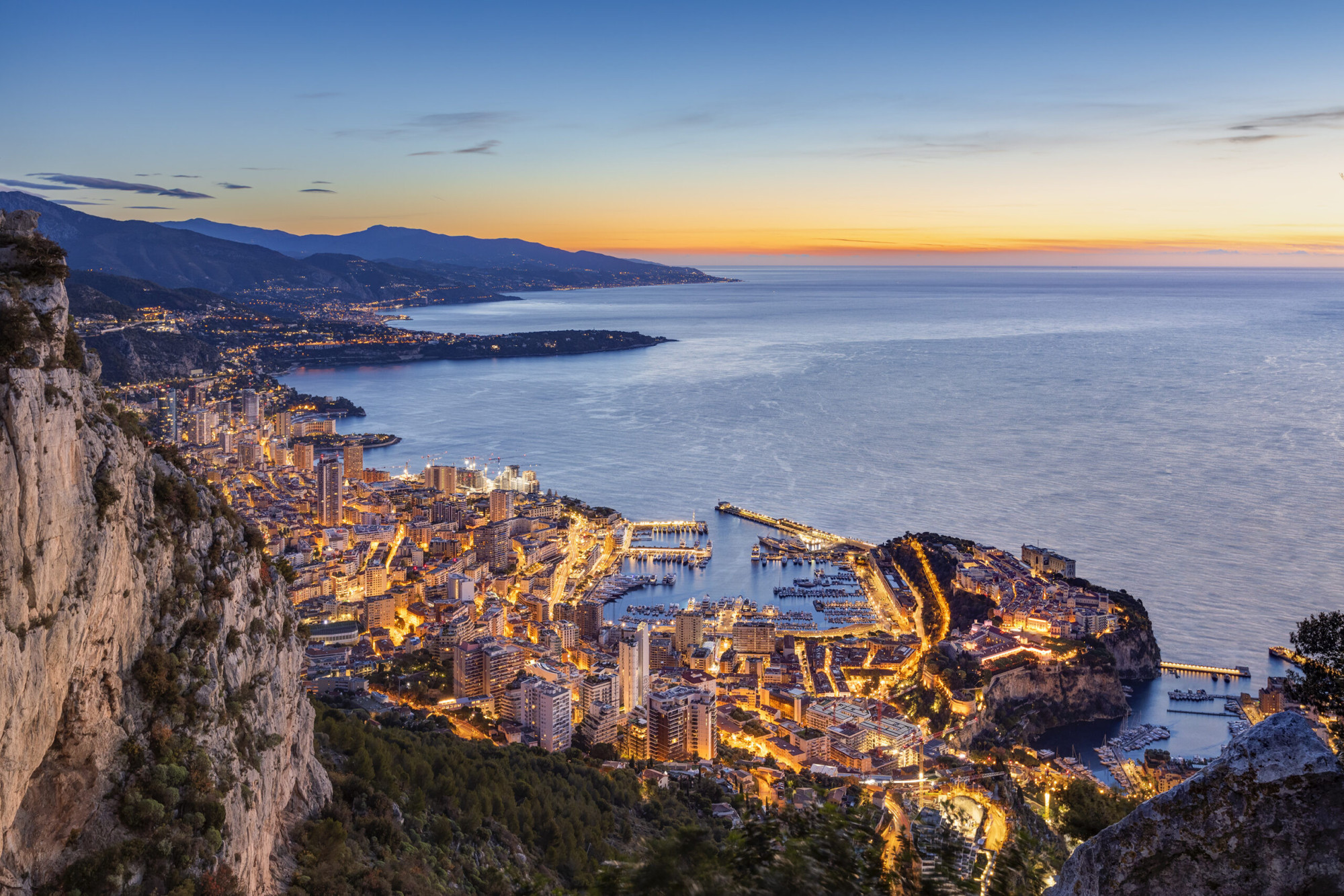
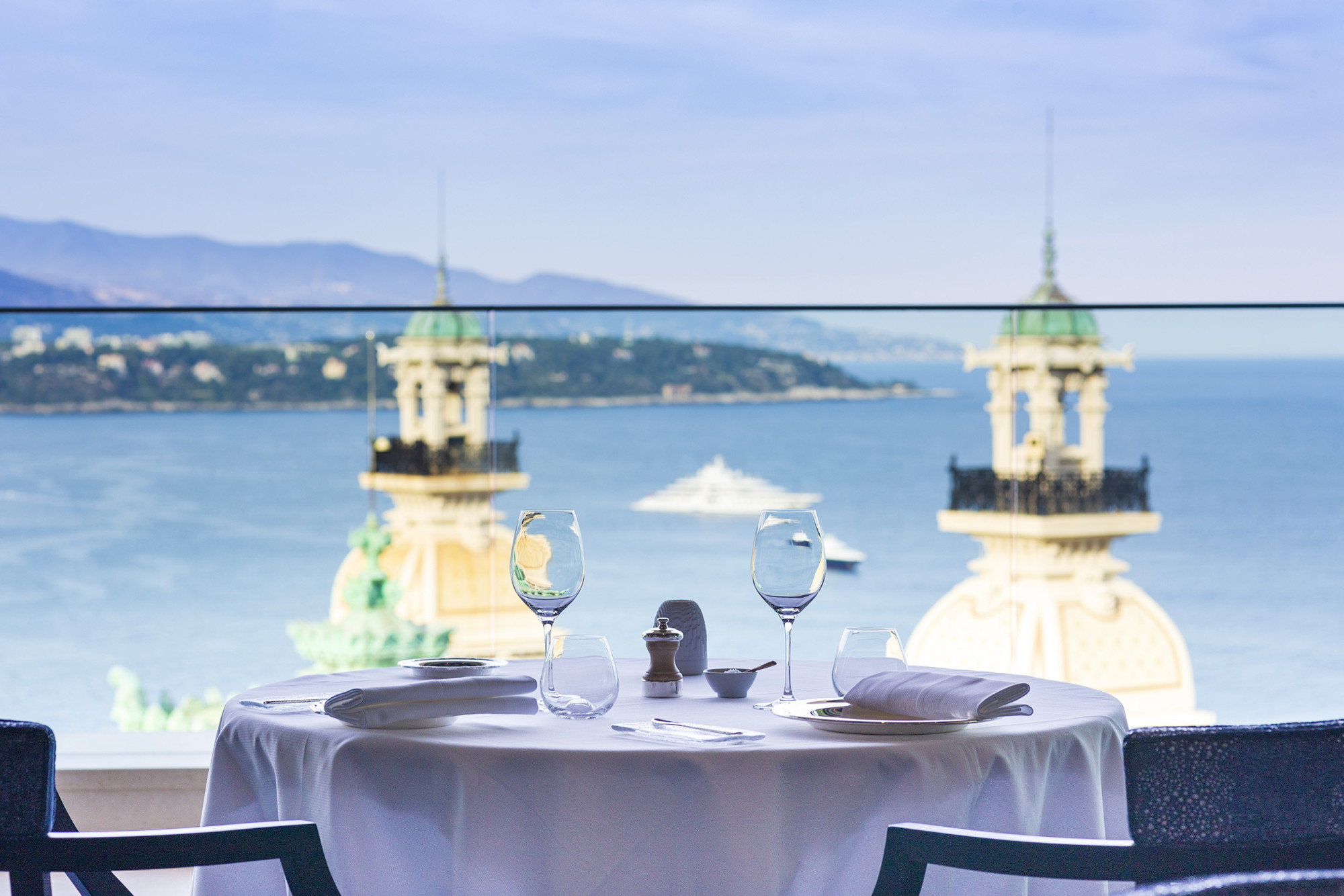
In Monaco, evenings are made for eating out. A table in Monaco-Ville. A view. A slow walk after dinner. And then, at the end of the meal, a small familiar moment: something is still on the plate. Not because it wasn’t good – because it was too much to finish.
La Petite Boîte was created for that moment. Instead of leaving food behind, participating restaurants offer an attractive takeaway box so guests can bring leftovers with them and enjoy them later. The initiative also includes a solution for unfinished bottles, so good products are not wasted.
Launched by the Municipality of Monaco, the project was introduced across restaurants, with a strong focus on Le Rocher, one of the most visited areas, where many travellers eat after sightseeing. This is where the idea is seen, used, and remembered.
The project works because it is easy. No big changes. Just one simple question at the end of the meal, and a better ending for the food.
And tourism is central. Visitors make the model possible: when travellers request La Petite Boîte, restaurants keep ordering it, keep offering it, and keep the habit normal. One request is small. Repeated across thousands of meals, it becomes part of the Monaco dining experience and a small habit that can travel home too.
Credits: ETC
Sustainable travel in Europe @sustainabletravelineurope
Slowdown – Amiens seen at water pace
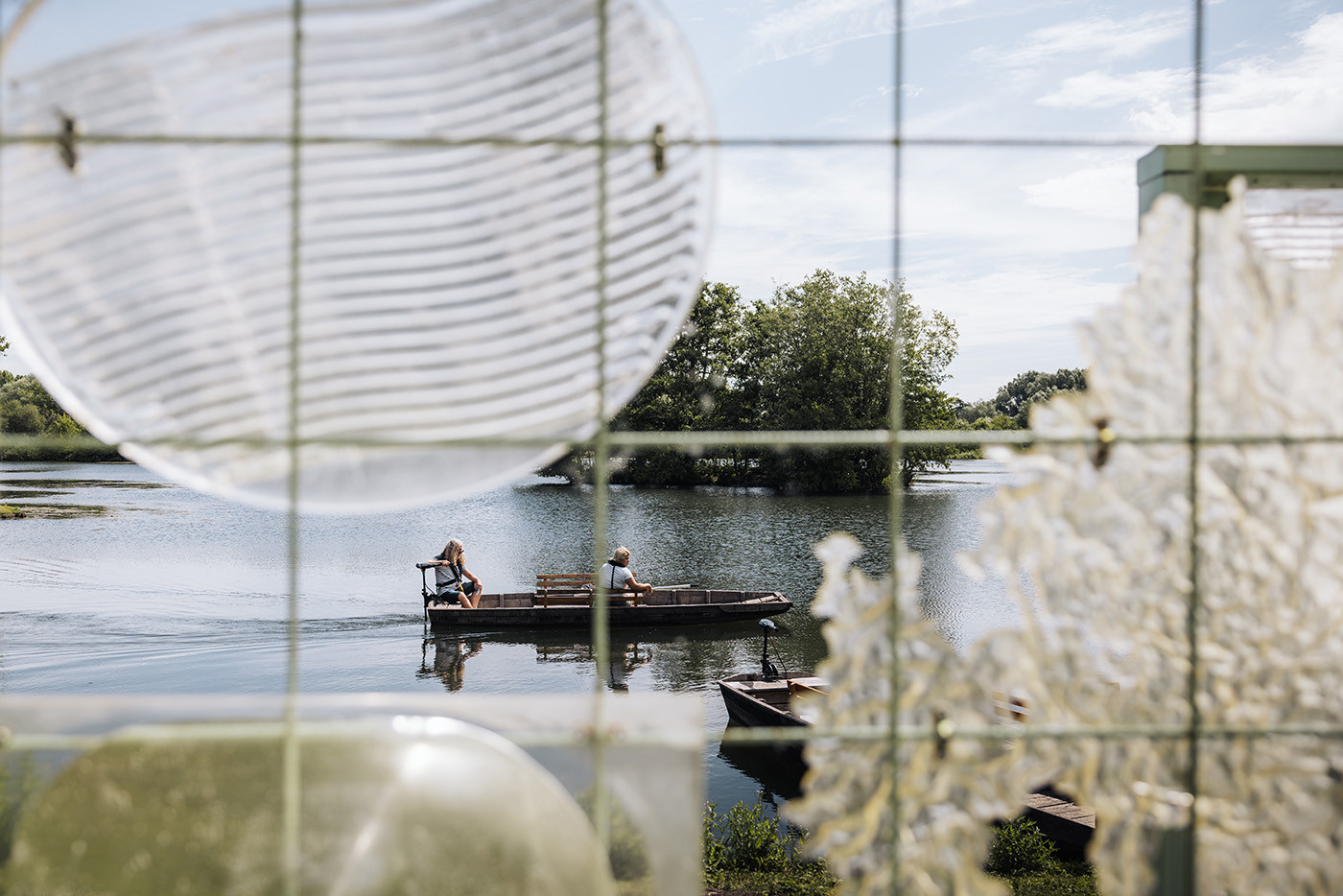
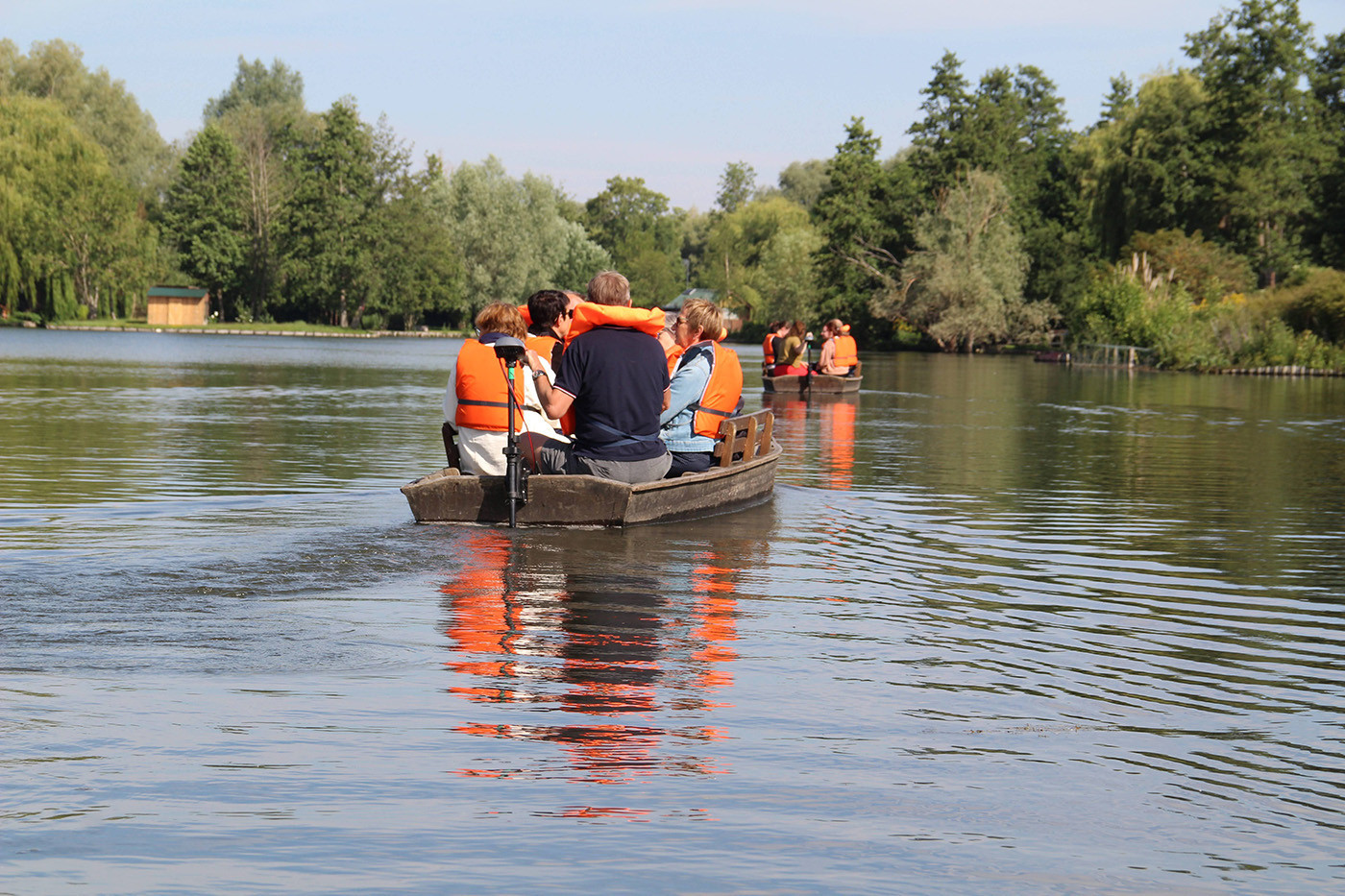
In Amiens, there is a place where the city suddenly feels quiet. A narrow canal. A wooden boat. Green islands of gardens drifting past. This is the hortillonnages: the floating gardens that have shaped Amiens for centuries. SLOWDOWN was created to help visitors experience this side of the city without rushing, and to make “slower” travel feel natural and attractive.
The idea is simple: change the pace, change the visit. SLOWDOWN builds experiences around gentle mobility and local discovery, especially by water, connecting travellers to landscapes, stories and everyday life that are often missed on a standard city break. It also helps spread visitor flows across different routes and times of year, so the experience feels calmer for guests and more manageable for the destination.
What makes it a best practice is how it links tourism and place. The project brings partners together, supports local operators, and creates a clear, shared way to invite people to explore responsibly, without turning it into a lecture. It keeps the focus on the feeling: quieter, closer, more real.
And visitors are key part of the engine. This model runs on choice: when travellers book a slow boat trip, follow these routes, and use local services, they sustain the businesses behind the experience and help keep coordination and quality in place. In the end, a calmer visit becomes something that lasts, for visitors, and for Amiens.
Credits: ETC
Sustainable travel in Europe @sustainabletravelineurope
Stay and Regenerate – A visit that helps nature recover
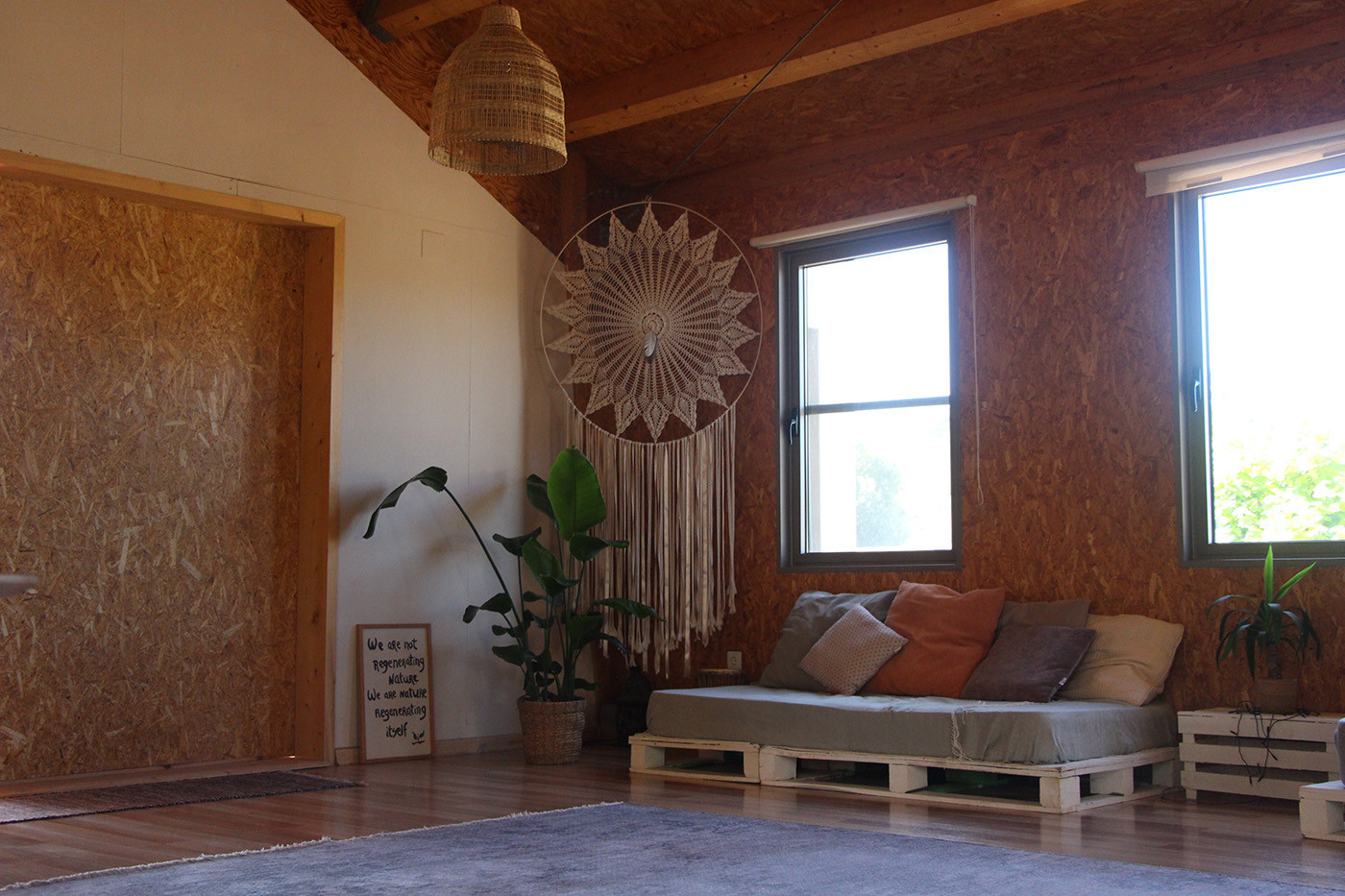
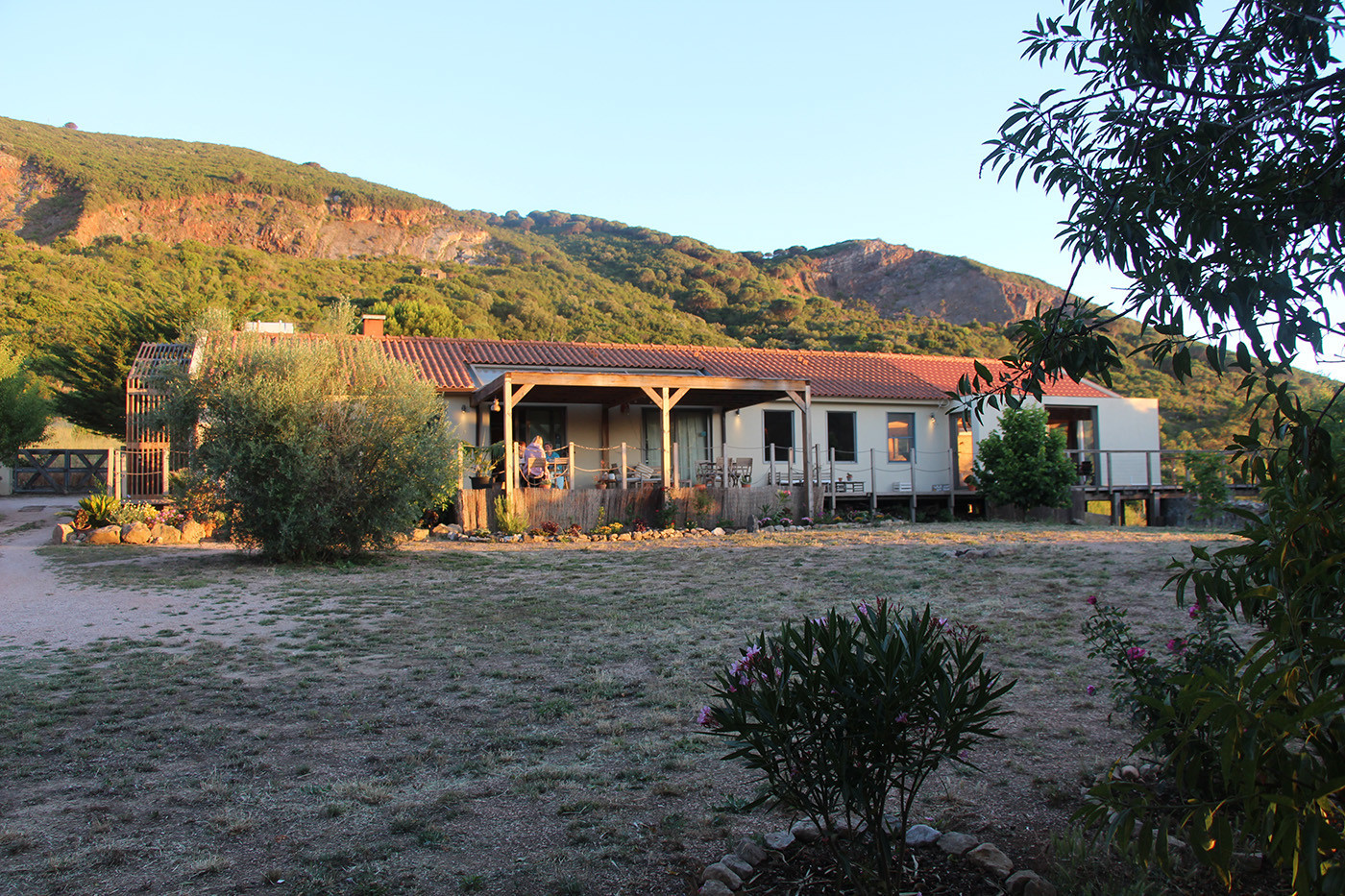
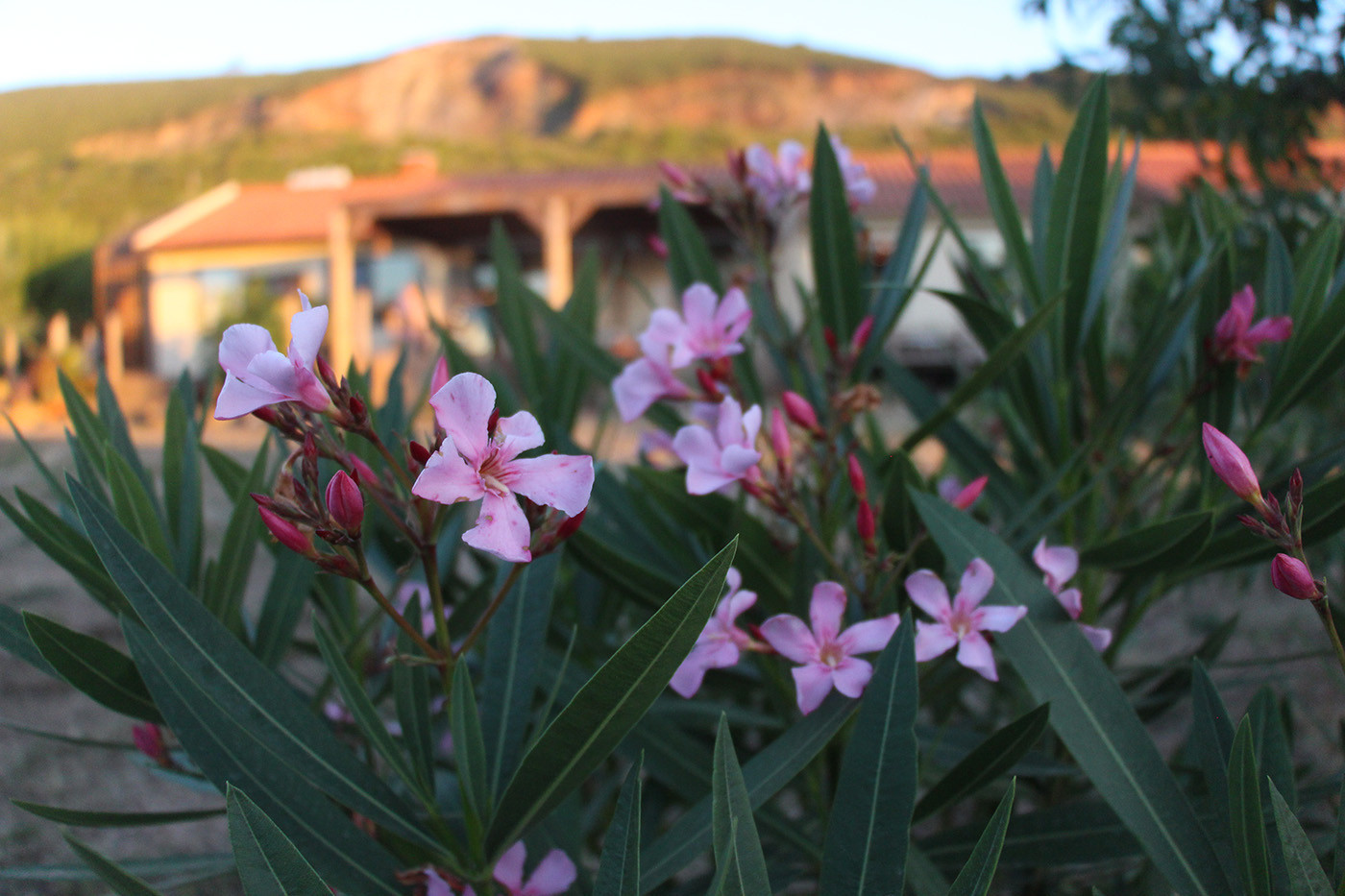
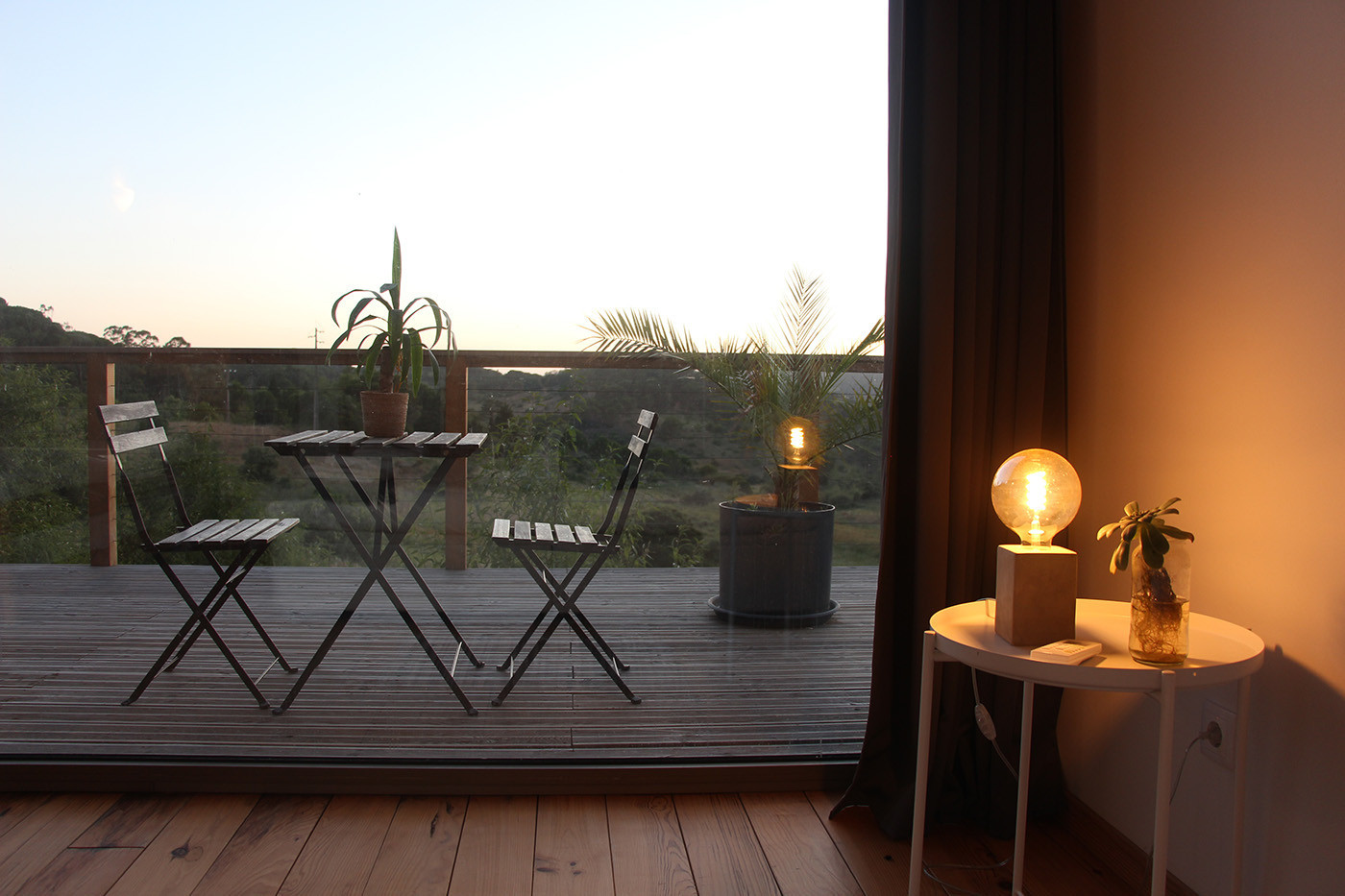
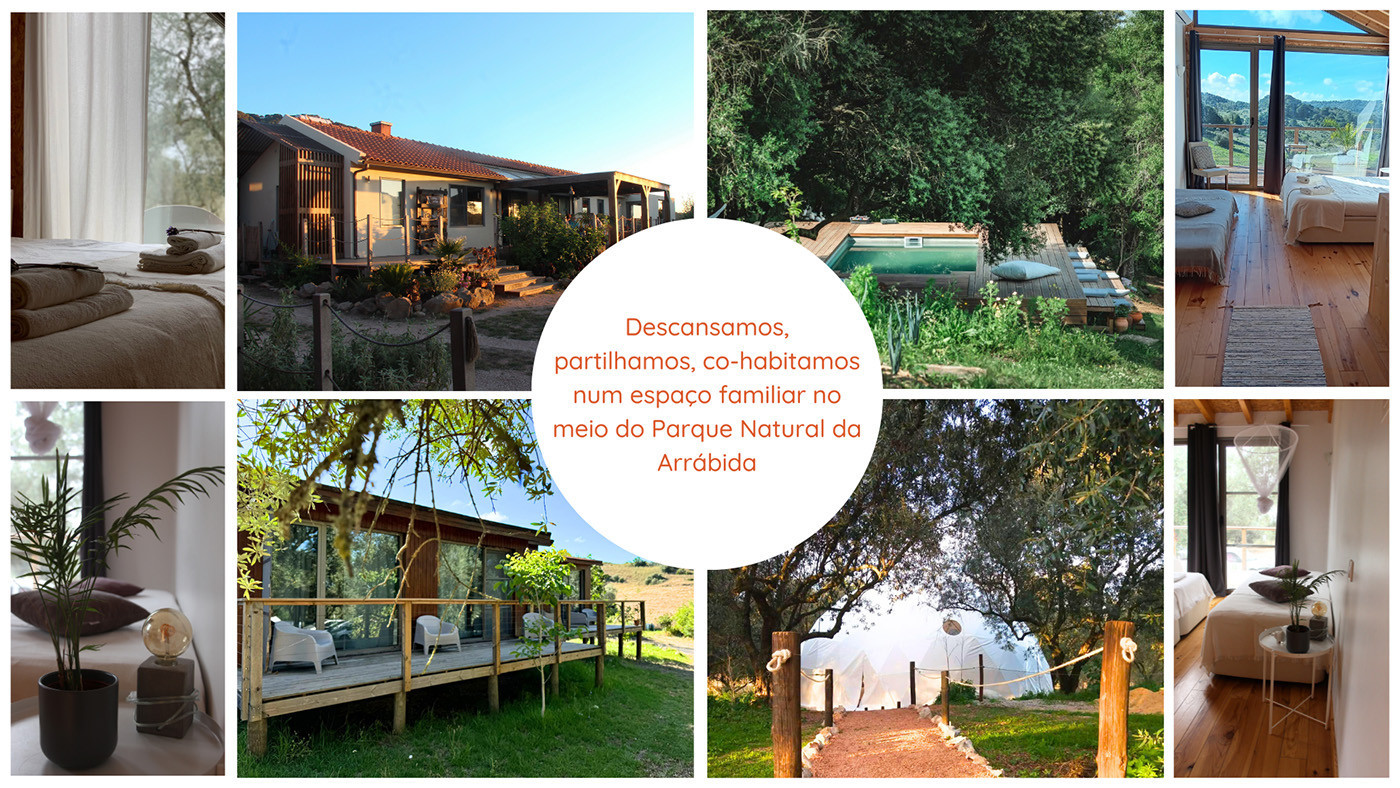
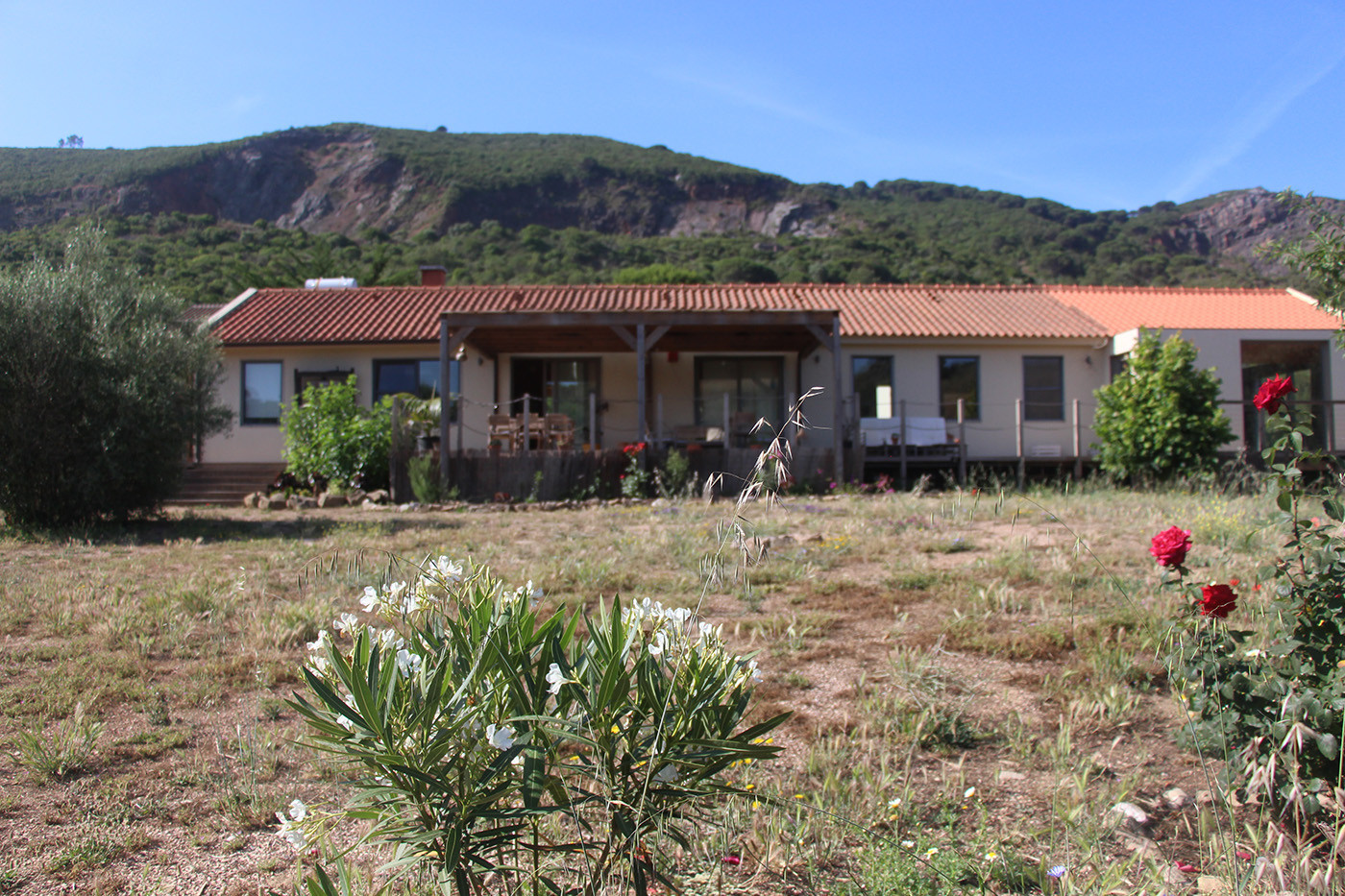
Biovilla sits inside Arrábida Natural Park, near Palmela in Portugal. It started with a simple question: Can a holiday be more than just leisure? Can it also help?
At Biovilla, that idea is built into everyday experience. Guests wake up surrounded by nature and follow a slower rhythm that encourages reconnection with the outdoors. Meals are organic and plant-based, prepared with ingredients grown on site. Days include guided walks through the park, workshops and retreats in open air. The atmosphere is calm and grounded, designed to feel both restorative and real.
What makes Biovilla a best practice is that tourism directly supports long-term work beyond the stay. Revenue helps fund tree planting with native species and other nature-based projects in and around the park. This contributes to landscape recovery and local biodiversity. It also supports community programmes focused on education, training, and inclusion, ensuring that benefits reach beyond visitors and strengthen the surrounding area.
This creates a clear, practical link between travel and action. A booking is not only a purchase – it becomes a contribution to conservation and community development. Visitors do not simply arrive, enjoy, and leave. Their presence helps sustain the project, support local livelihoods, and reinforce protection for the natural environment.
Biovilla demonstrates how travel can be truly meaningful. A stay that restores guests while supporting the place that hosts them.
Credits: ETC
Sustainable travel in Europe @sustainabletravelineurope
CopenPay – Small actions, city rewards
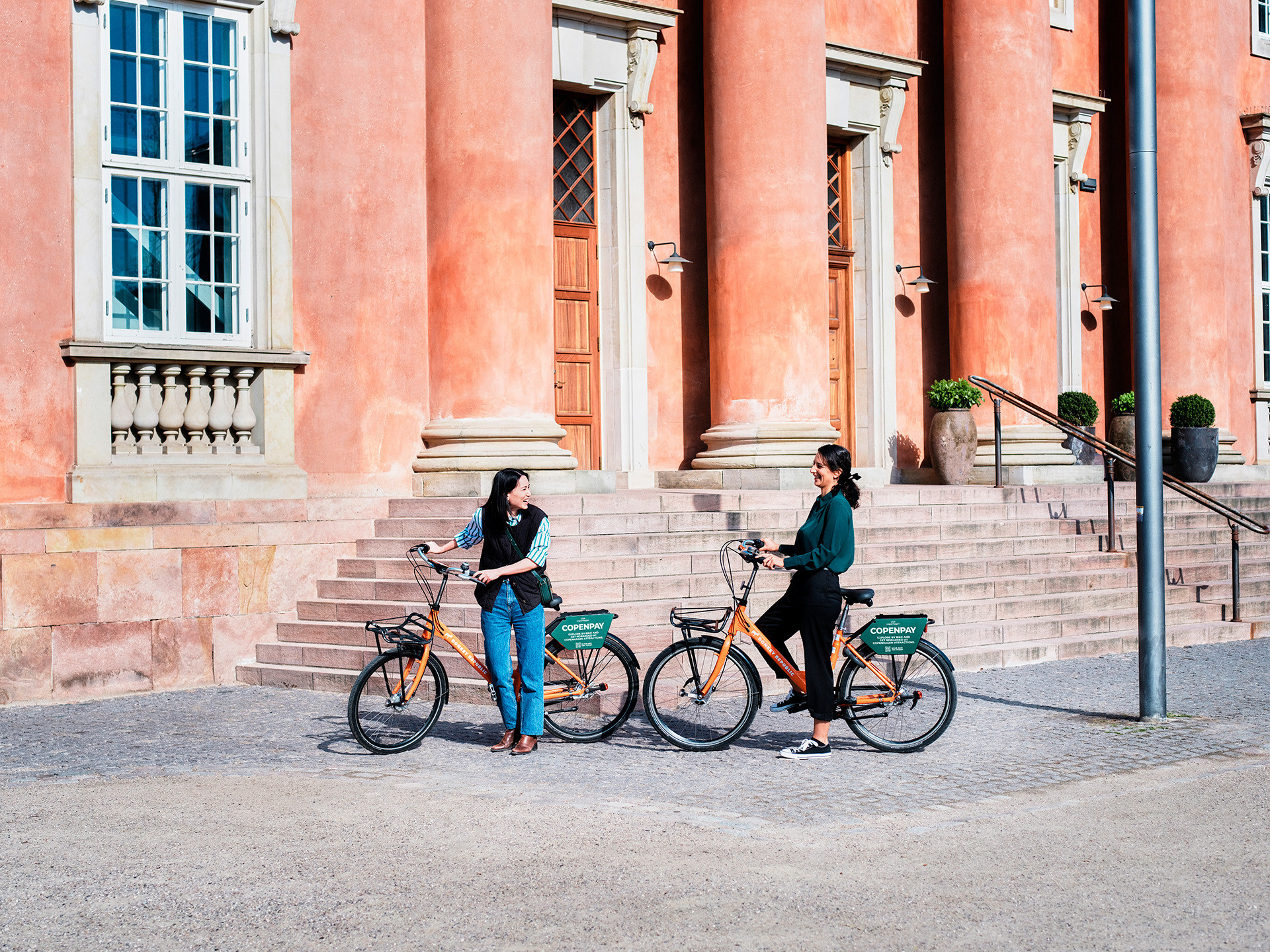
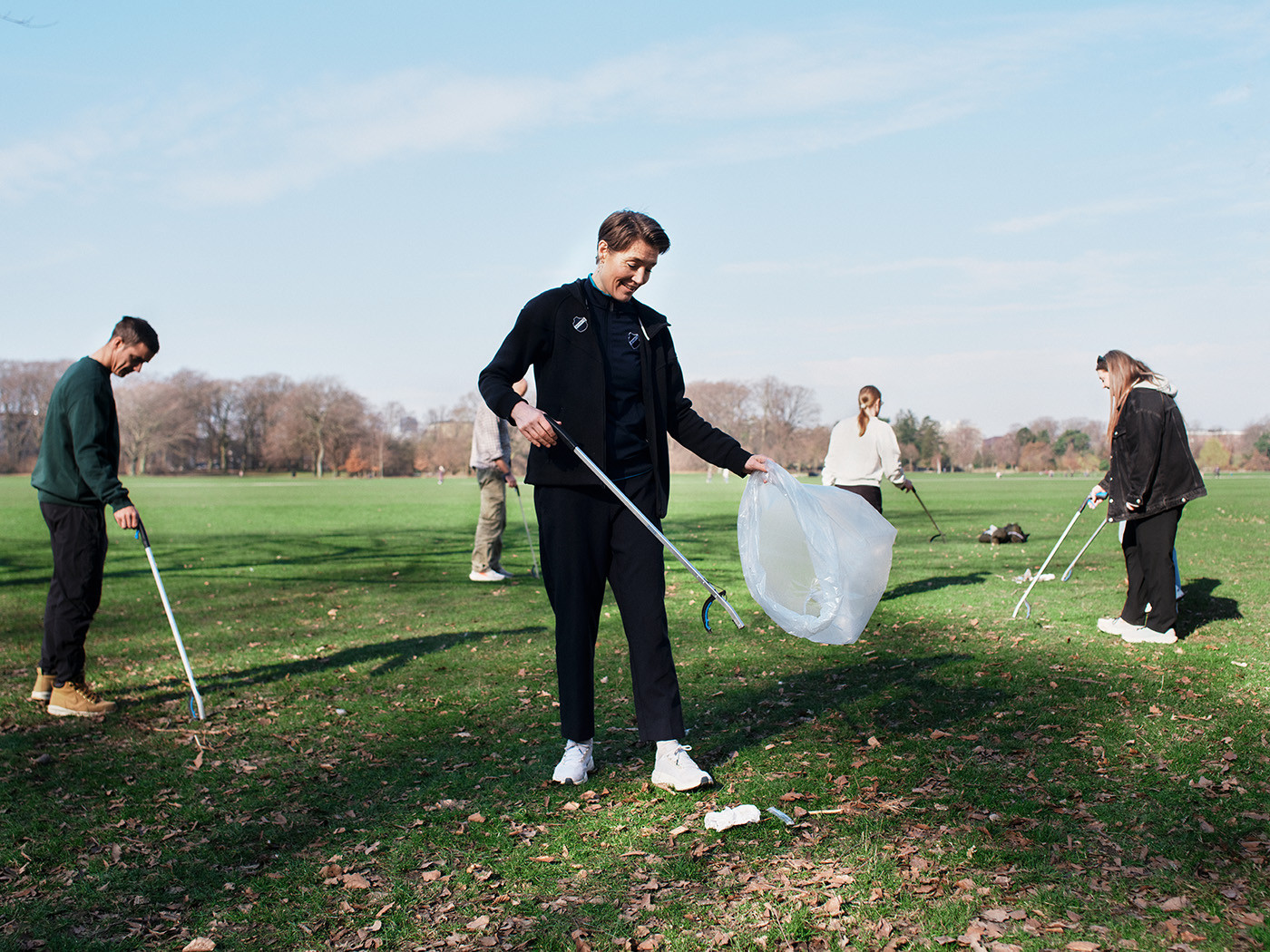
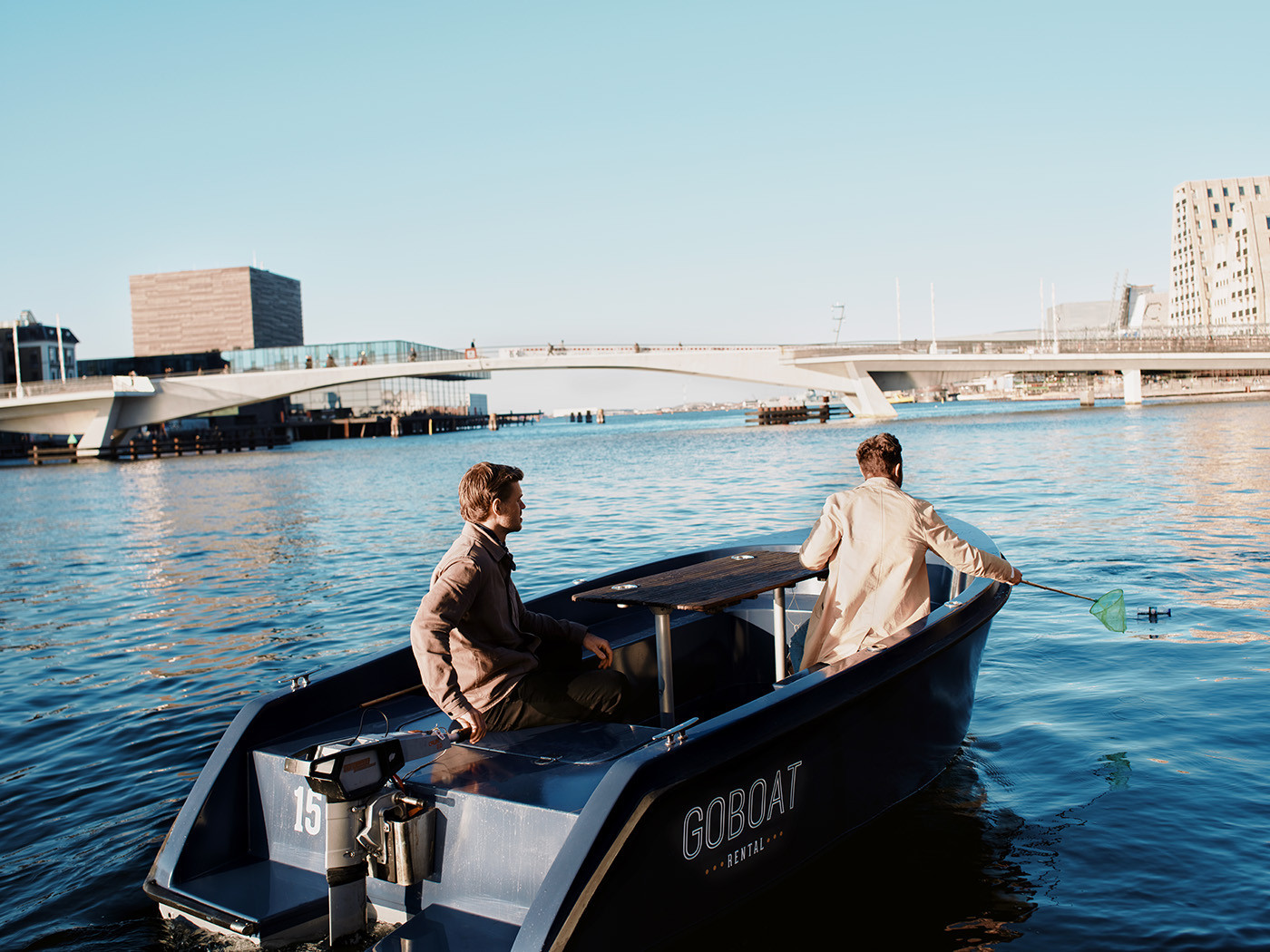
In Copenhagen, many visitors want to do the right thing, but they don’t always know how. CopenPay starts with a simple twist: the city asks for action, not money. People can “pay” by doing something positive, like picking up litter, choosing low-impact transport, or joining a community event. In return, they receive access to local experiences, treats, or cultural activities.
This creates a different kind of city break. It turns everyday choices into a shared moment between guests and locals. It brings people into parks, streets and neighbourhoods, not just the famous sights. It also makes visitors feel part of the place, even for a short stay.
CopenPay has already reached scale. More than 25,000 people have taken part, with 98% satisfaction. Many don’t stop at one action. Around 7 out of 10 participants reported changing habits afterwards, for example, cycling more or reducing food waste.
What makes it a best practice is that it is fun, easy, and visible. It rewards responsible travel. It shows that tourism can leave a city better than it found it, through small actions repeated many times.
And tourism is the engine. Travellers helps create the impact, and the more people take part, the more the city can offer back.
Credits: ETC
Sustainable travel in Europe @sustainabletravelineurope
Reviving Through Discovery – Where dinosaur tracks bring a valley back to life
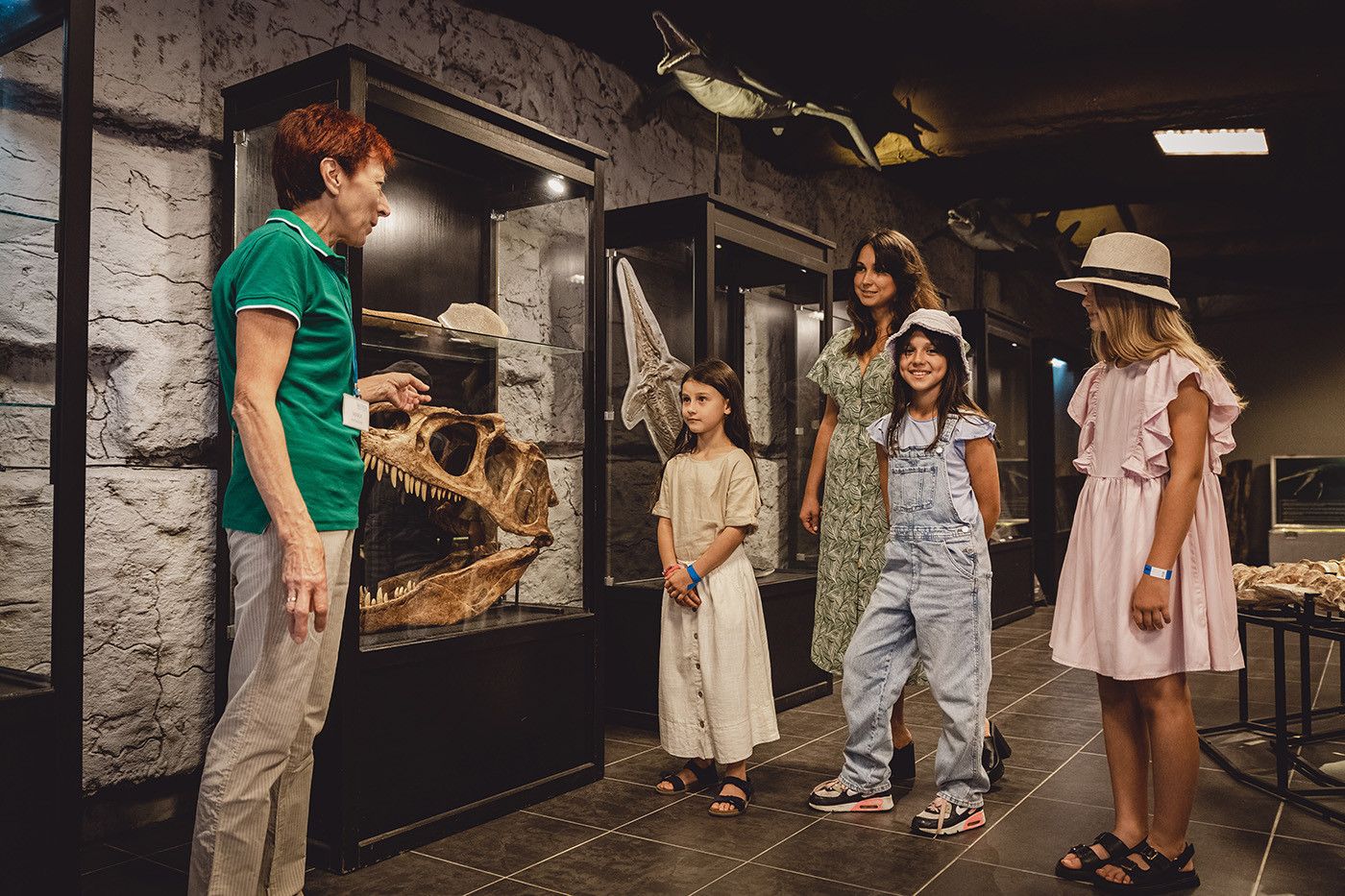
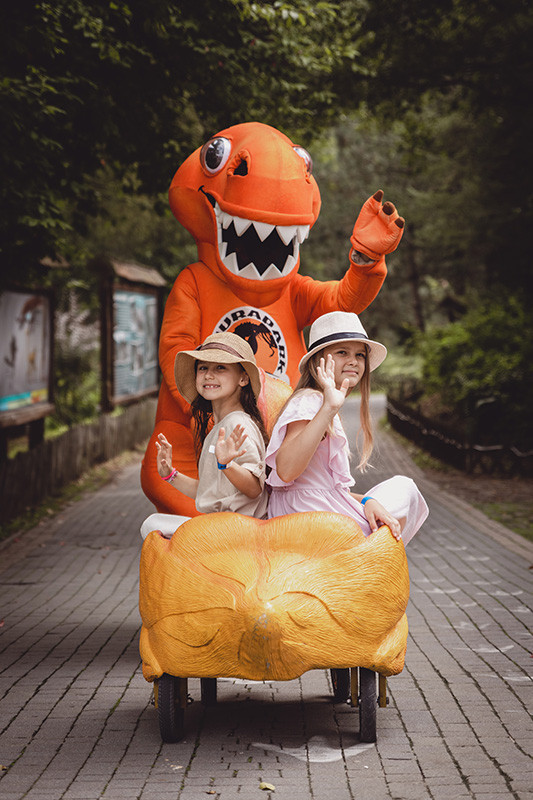
In the Świętokrzyskie Mountains of Poland, a story about the past has reshaped a valley’s future. When geologists confirmed dinosaur tracks near Bałtów, local people saw more than stones. They saw a chance to bring visitors, jobs and pride to a rural area that had few options.
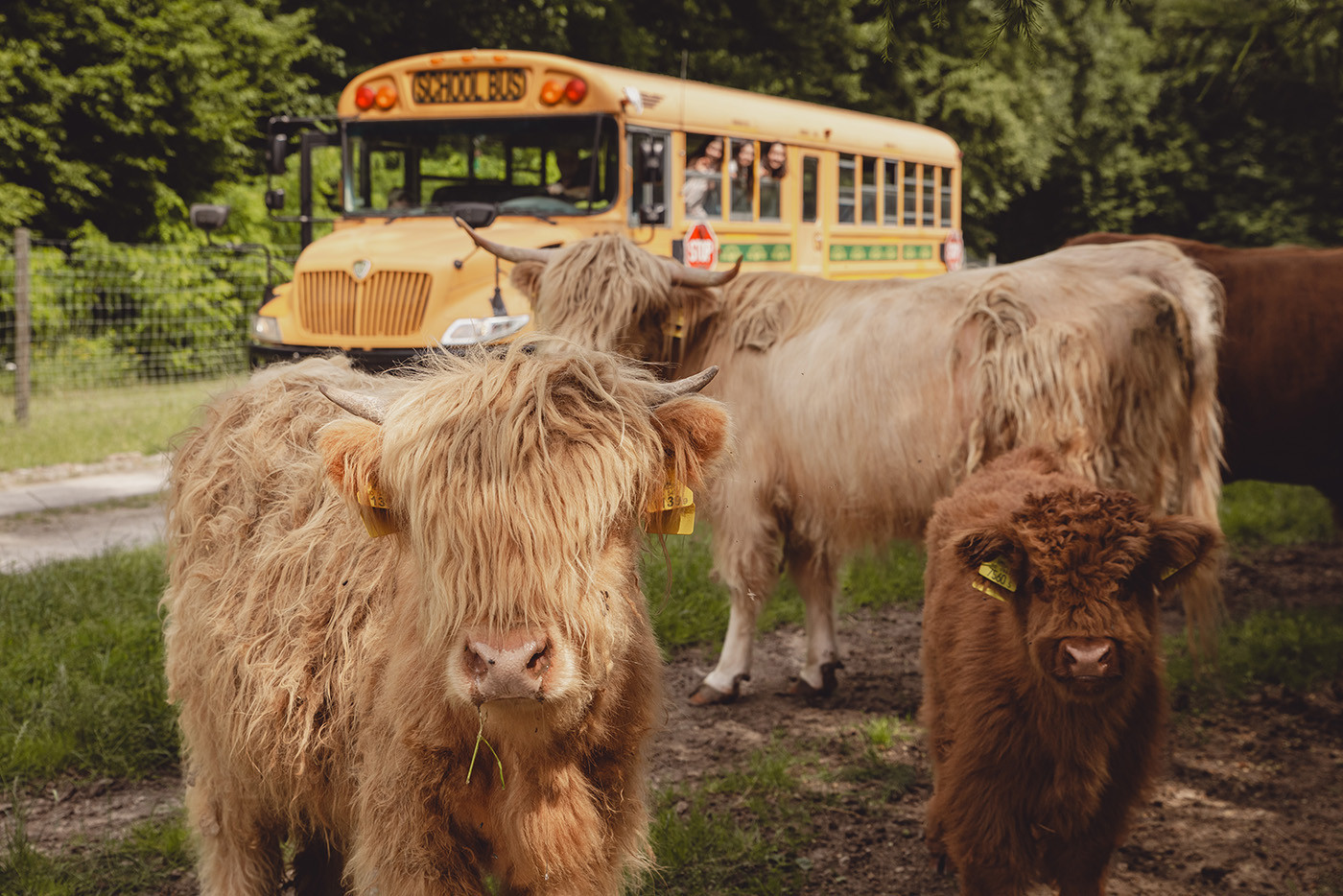
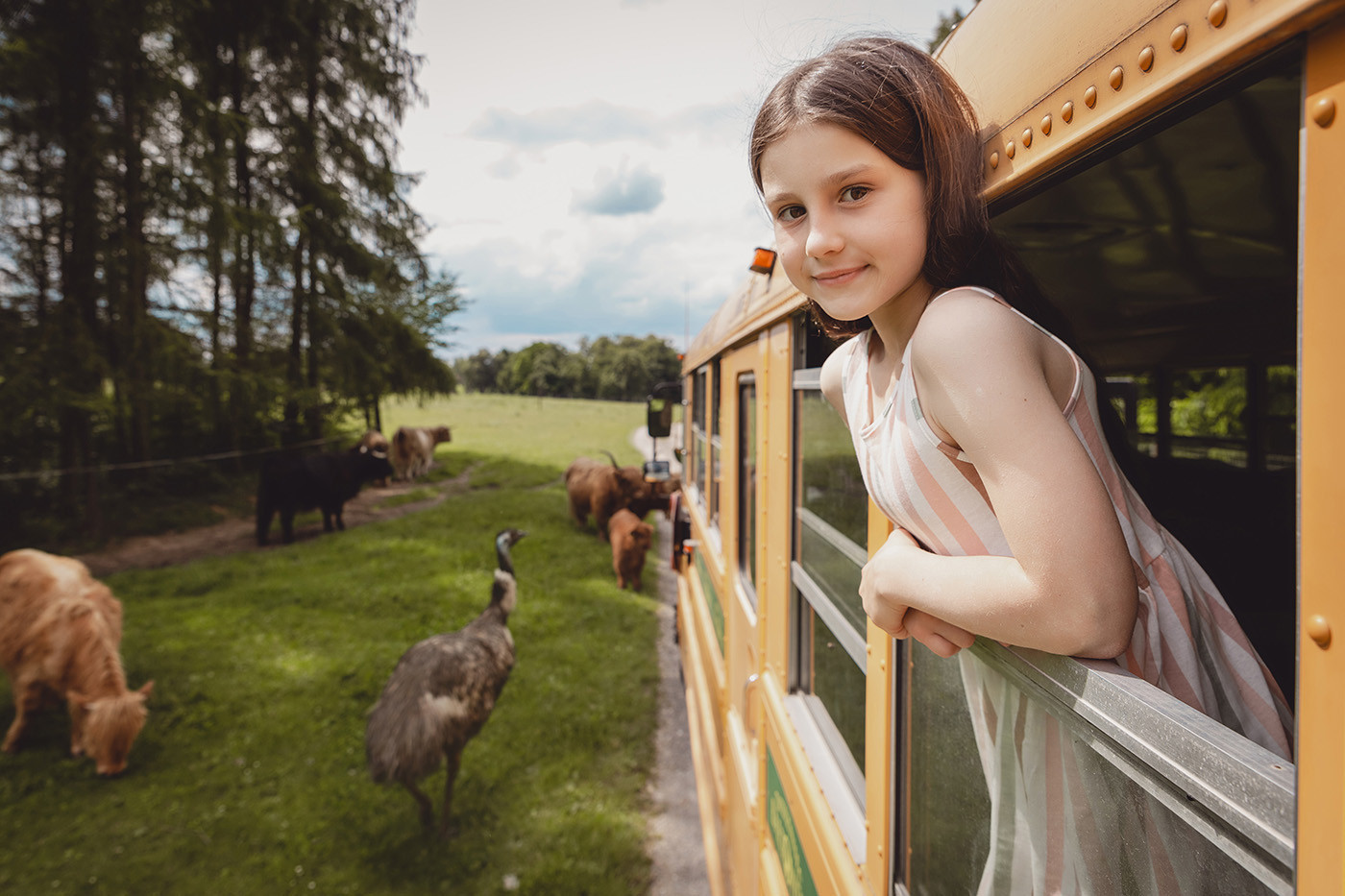
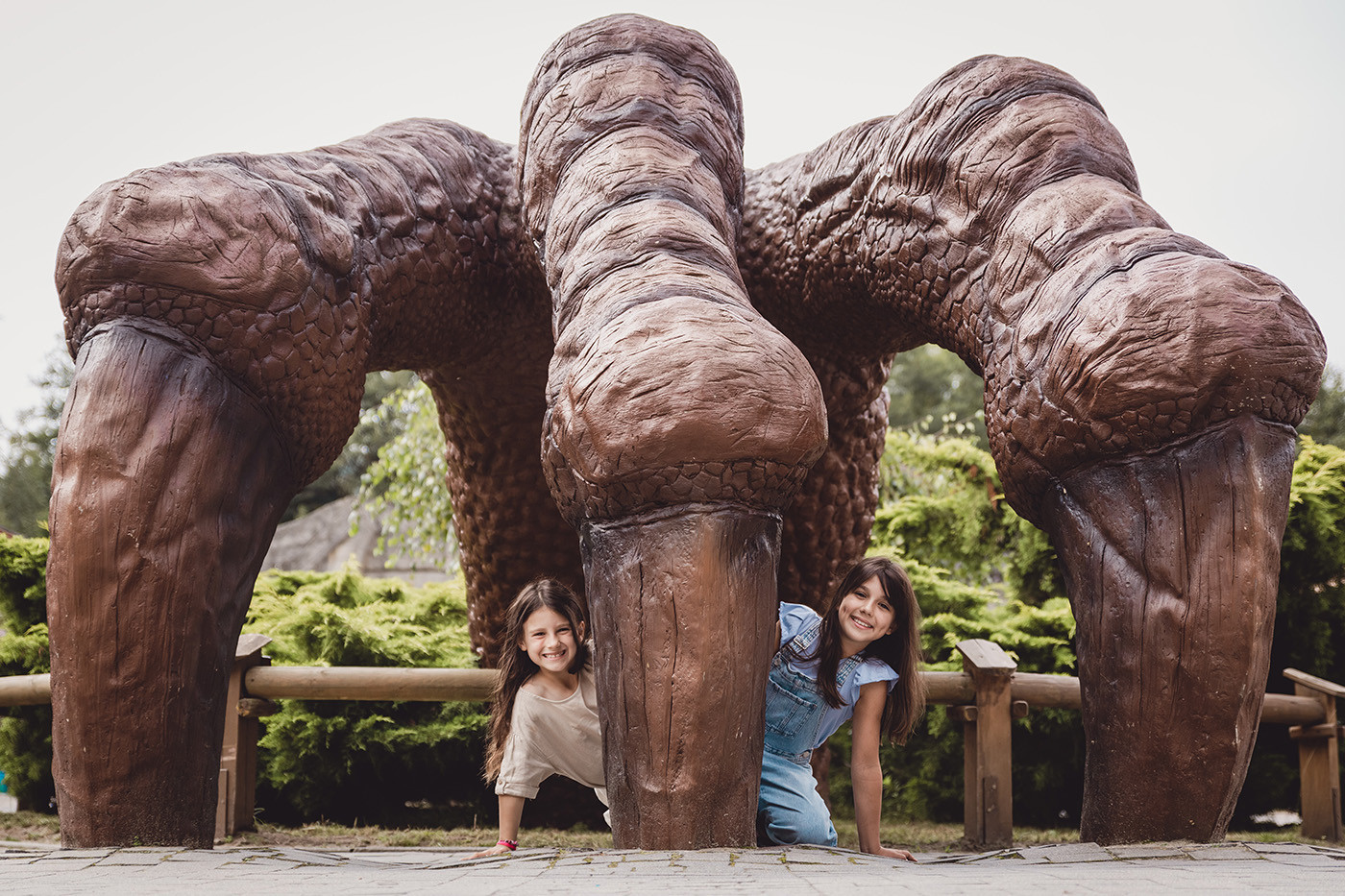
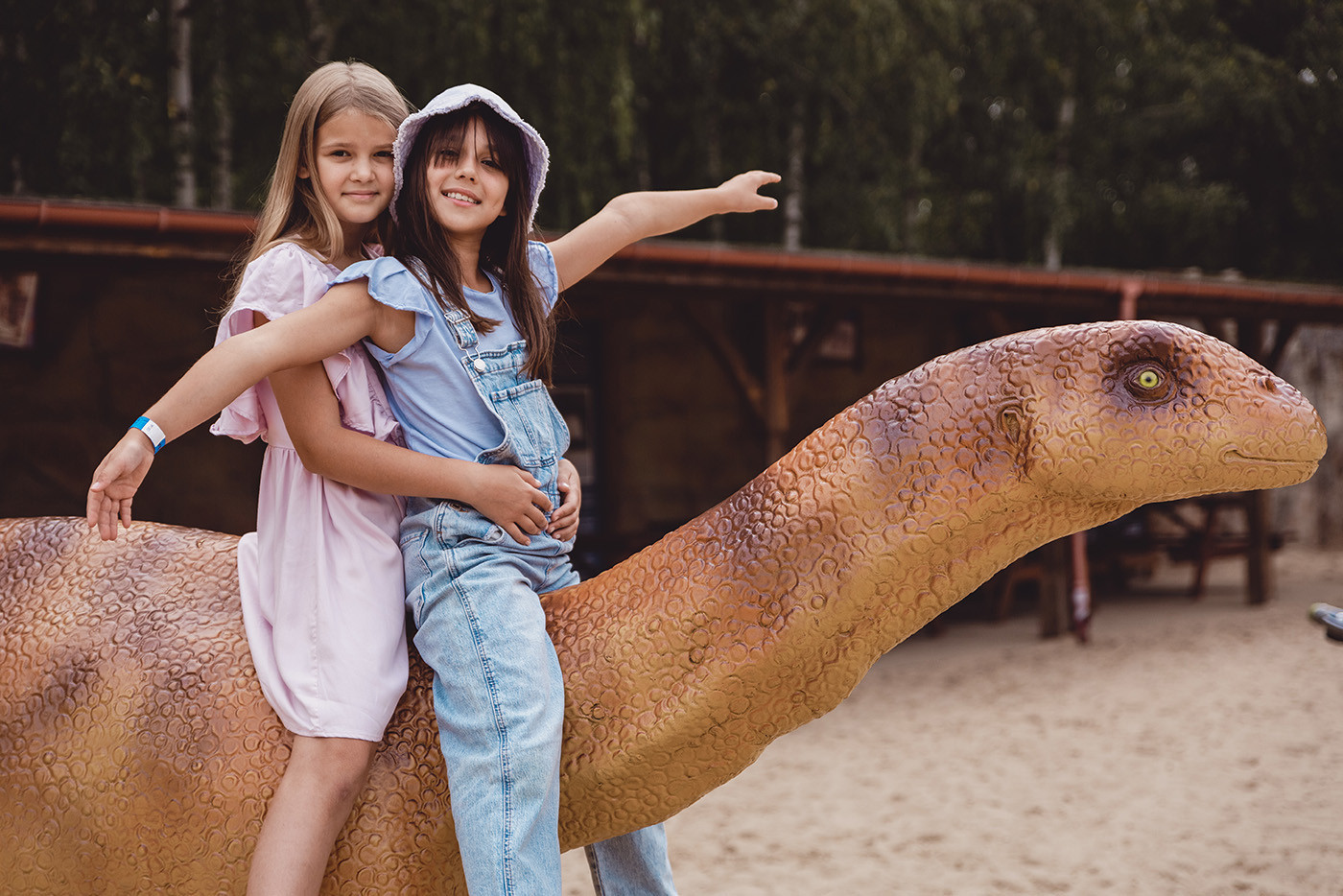
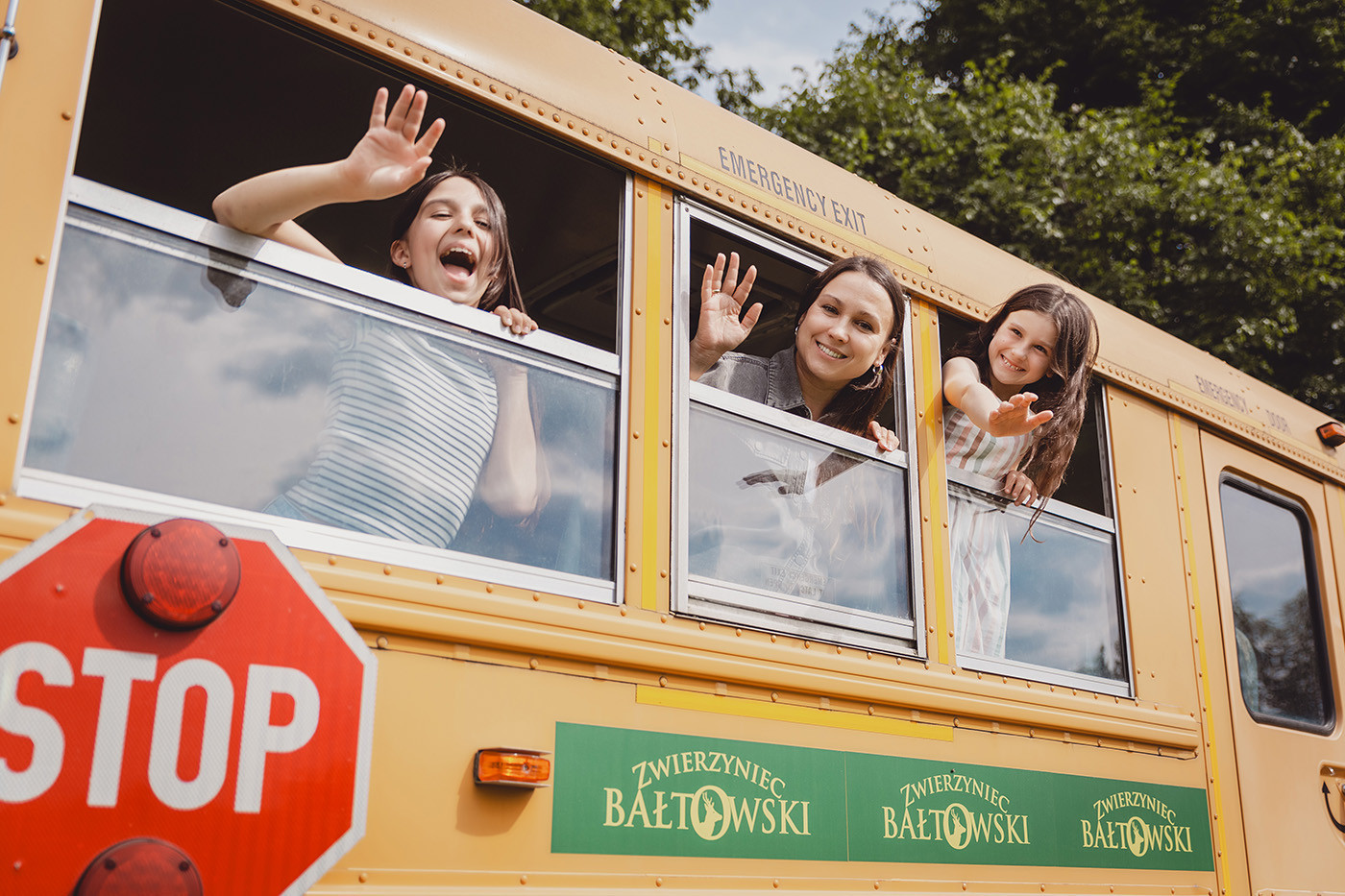
From this idea, JuraPark Bałtów, the country’s first dinosaur park, grew. Life-size reconstructions based on science show what once walked here. Around them, a wider Bałtów Tourist Complex has taken shape: a dinosaur museum, Poland in Miniature, outdoor science workshops, a beekeeping village, a safari park and nature-based activities such as cycling routes and “questing” trails.
Nature and culture both matter here. The park protects key palaeontological sites and supports biodiversity projects, including care for endangered species like the European bison. Festivals such as the Bee Festival turn big themes into fun, easy moments for families.
Education is at the heart of the work. Children join palaeontology workshops, museum lessons and outdoor classes that build respect for the environment. Most staff come from nearby communities, local suppliers are involved, and many young people get their first job here, with year-round employment growing over time.
Tourism makes this model real. Tickets, stays and activities keep funds circulating locally, support ongoing improvements in waste and energy use. This helps Bałtów prove that a park can repair, not just consume, nature.
Credits: ETC
Sustainable travel in Europe @sustainabletravelineurope
Nordsee-Reisepass – The passport that turns the coast into a journey
A holiday on the North Sea coast is often about small moments: a short walk, a museum stop, a view over the dunes. The Nordsee-Reisepass takes those moments and turns them into a story travellers can follow.
It works like a playful passport. Travellers and locals collect stamps at more than 250 places across Lower Saxony’s North Sea coastline, from museums and visitor centres to natural sites. Some stamping points sit outdoors, slightly off the usual route. They invite people to explore new corners, not just the busy highlights. A simple QR code adds a second layer: short videos explain what makes each place special, and introduce topics like coastal life, climate and biodiversity in an easy, on-the-spot way.
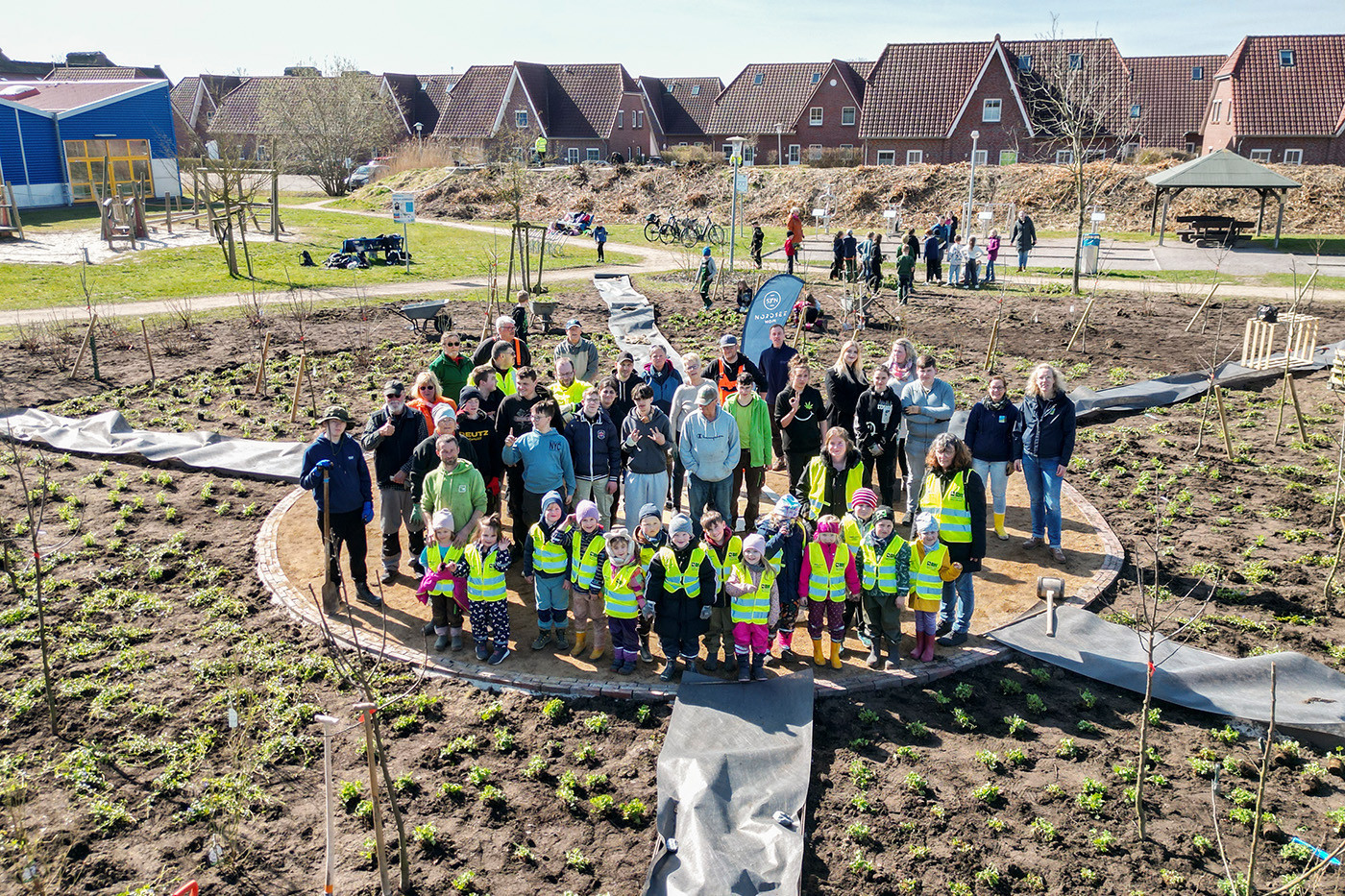
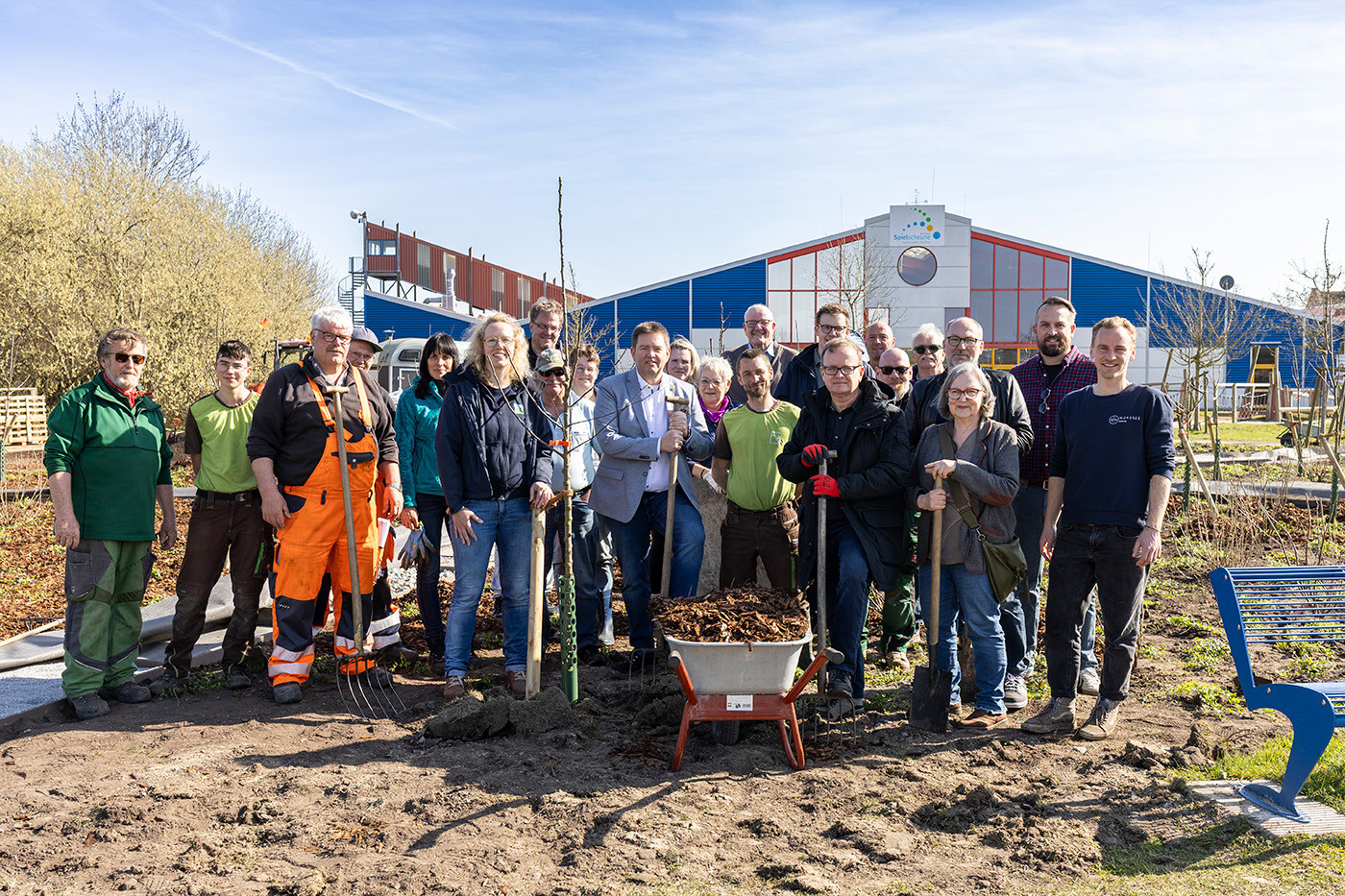
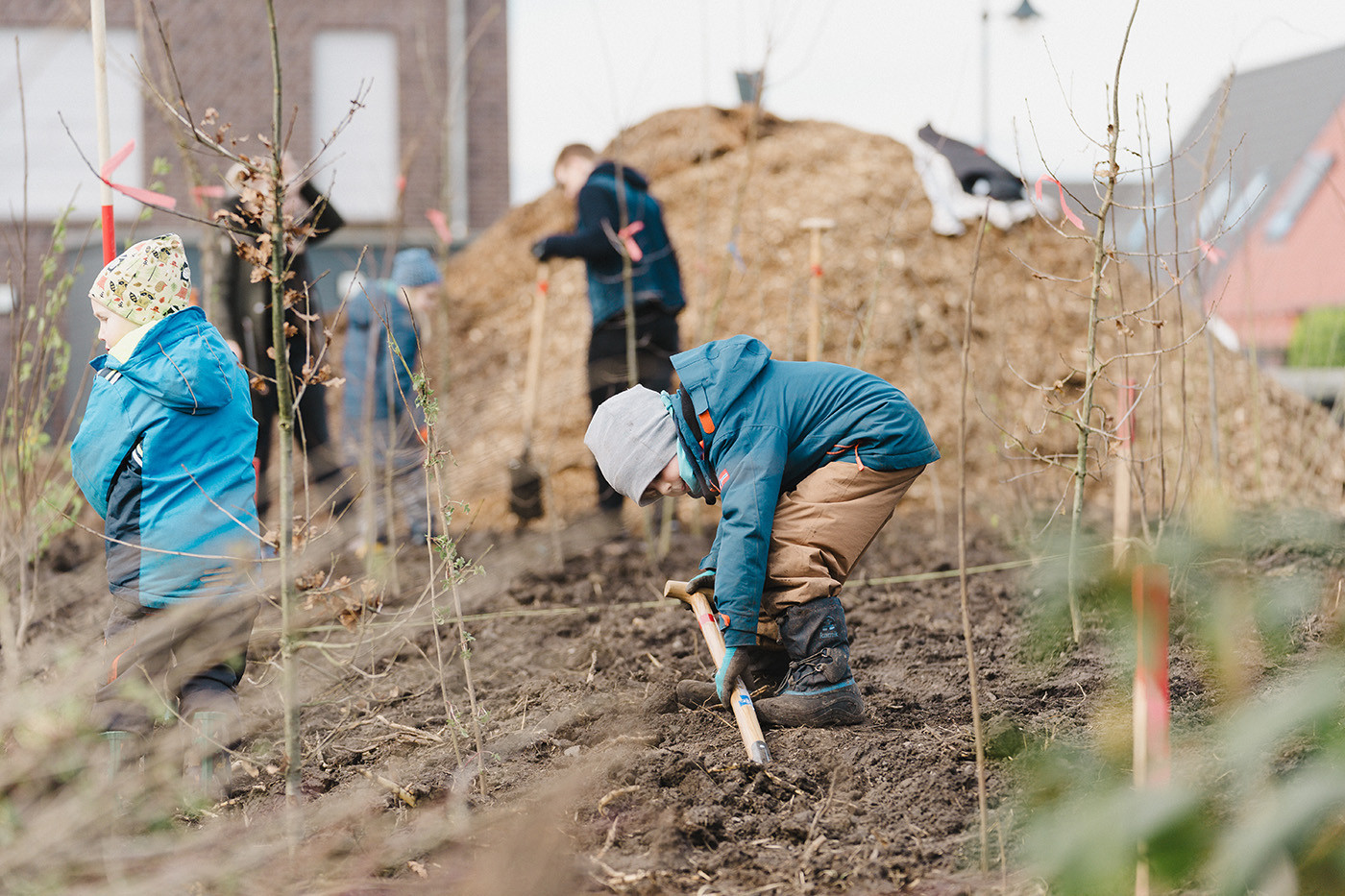
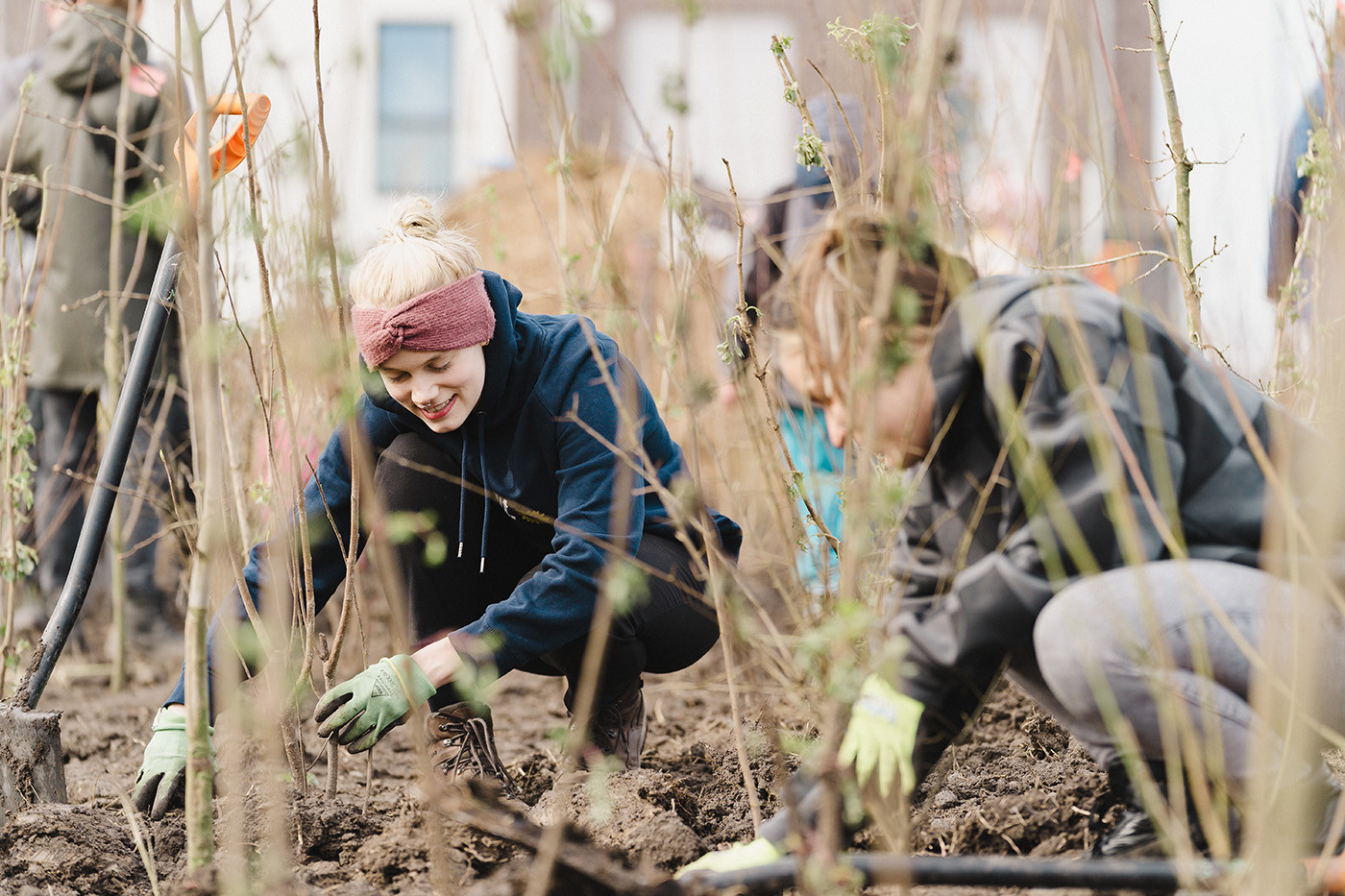
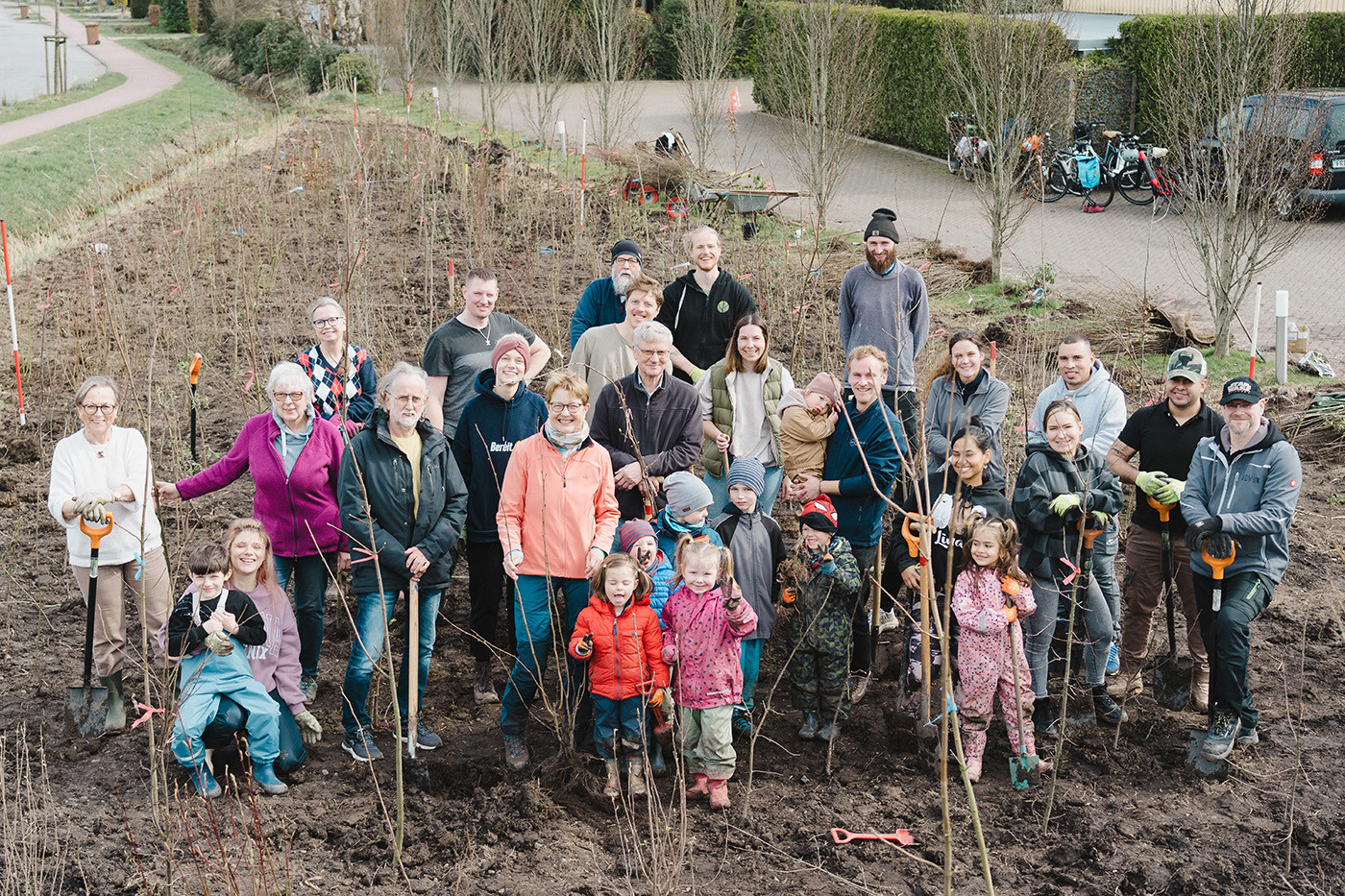
But the passport doesn’t stop at discovery. It has a clear “give-back” loop. The money earned from passport sales is reinvested locally through Green Action Week: a yearly week of planting and community work. In just two years, around 250 participants planted more than 3,700 trees and plants at 11 sites, creating small new green spaces along the coast, including tiny forests and a food forest. These spaces are open to everyone passing by.
This is why it’s a best practice. The project is simple to join, easy to enjoy, and it keeps growing. Travel keeps it alive: each passport bought helps fund the next round of local action, while also spreading visitors more evenly across the coastline.
Credits: ETC
Sustainable travel in Europe @sustainabletravelineurope
ReTour – From coastal destinations to places that thrive
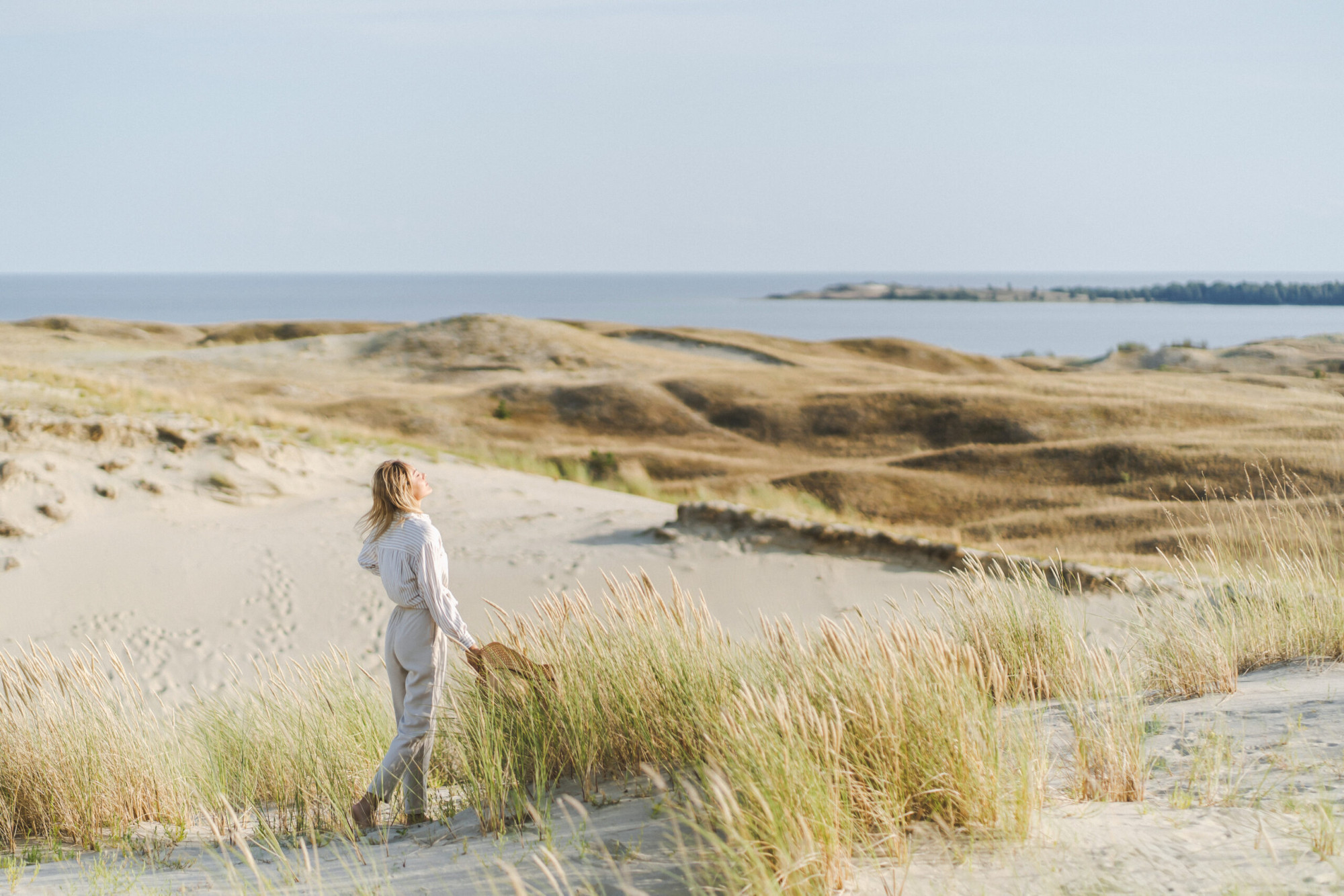
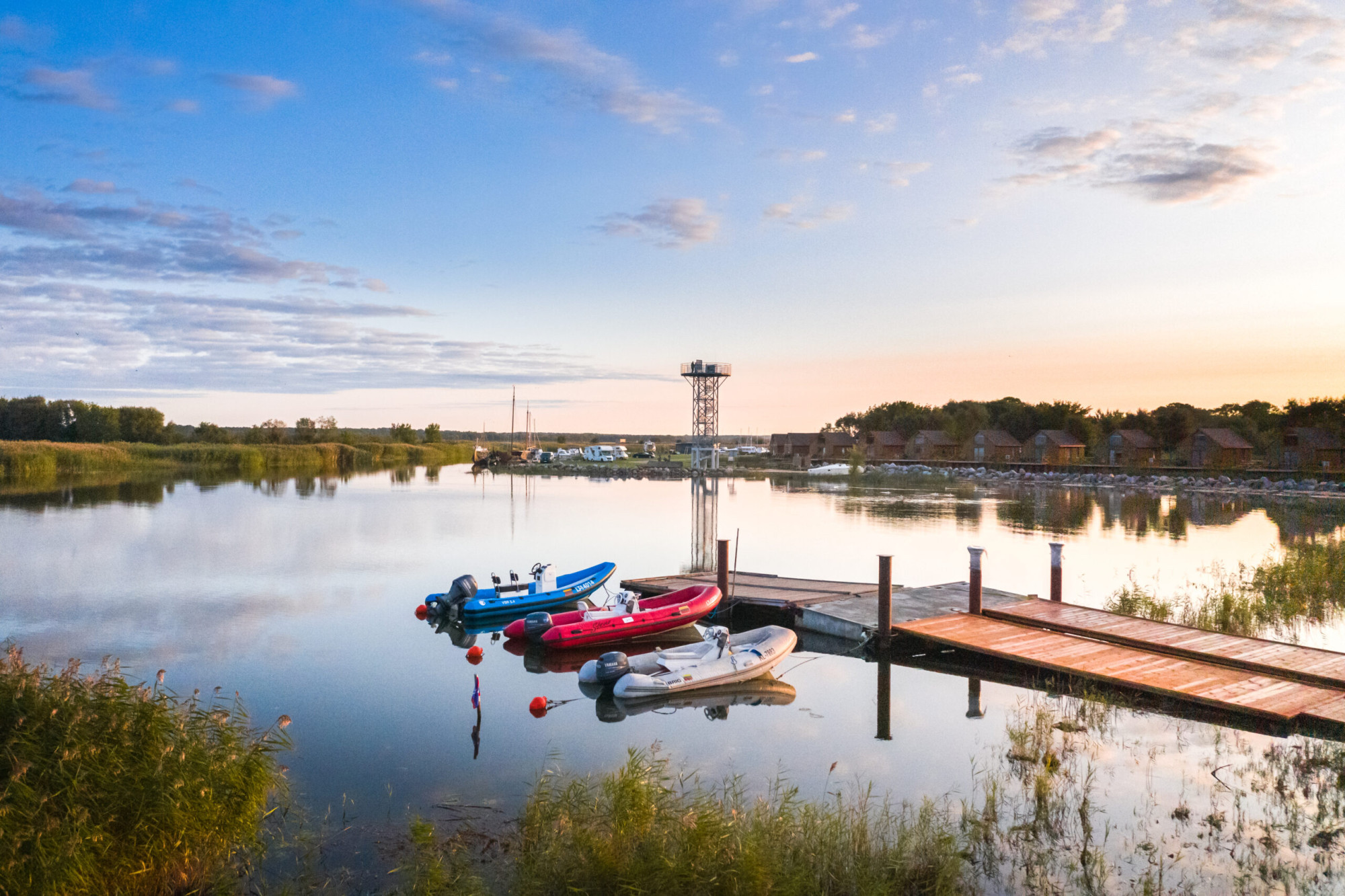
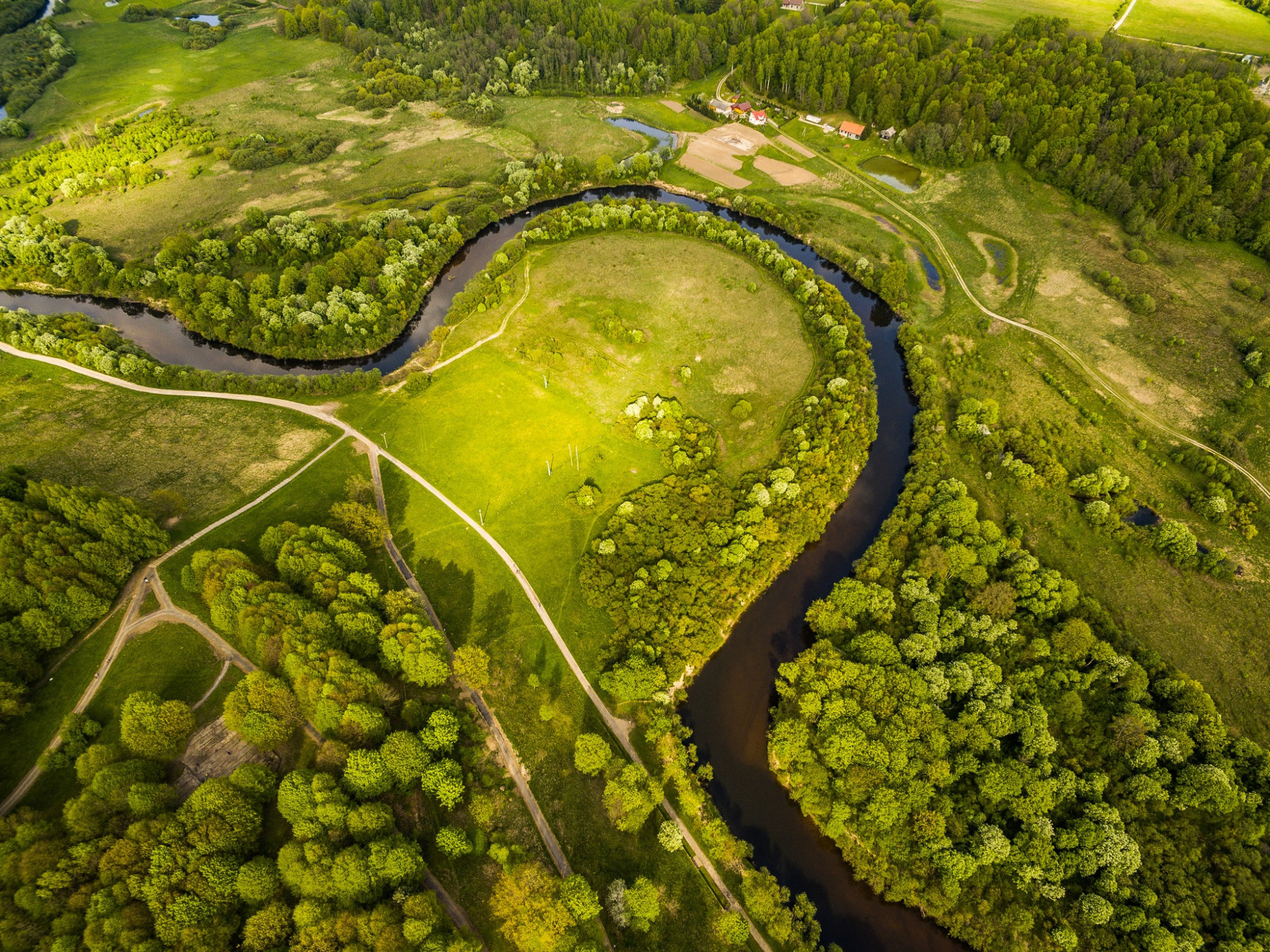
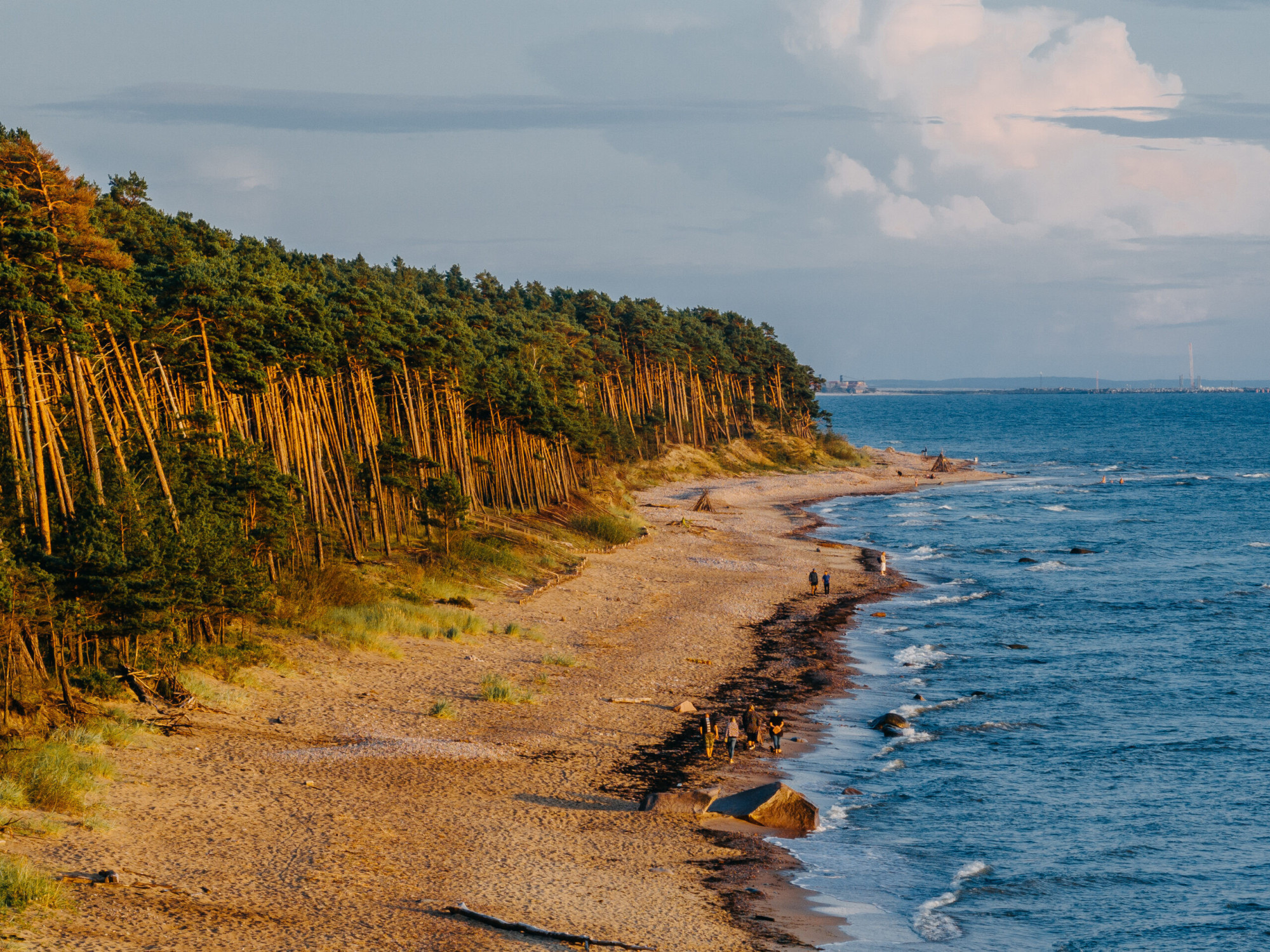
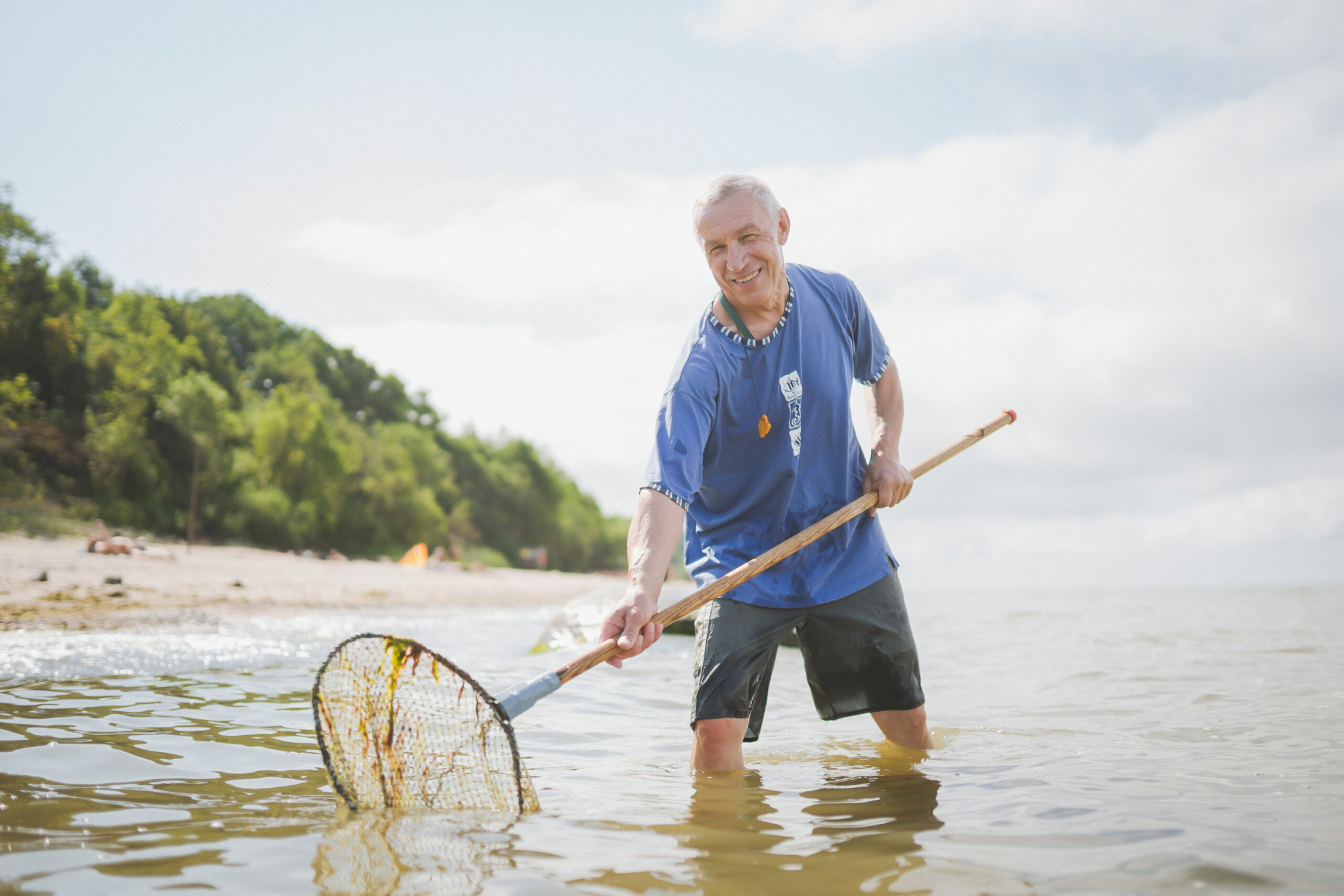
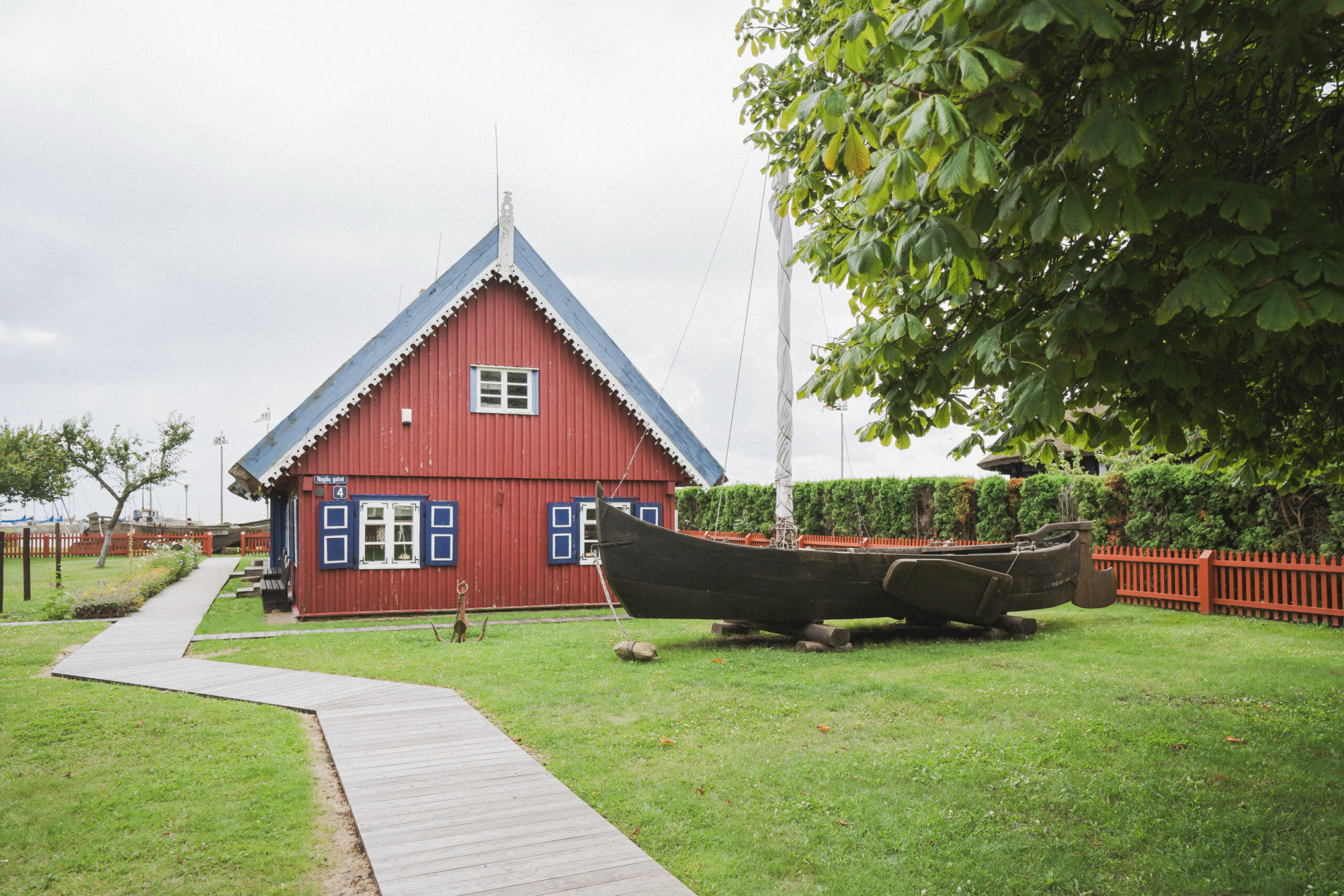
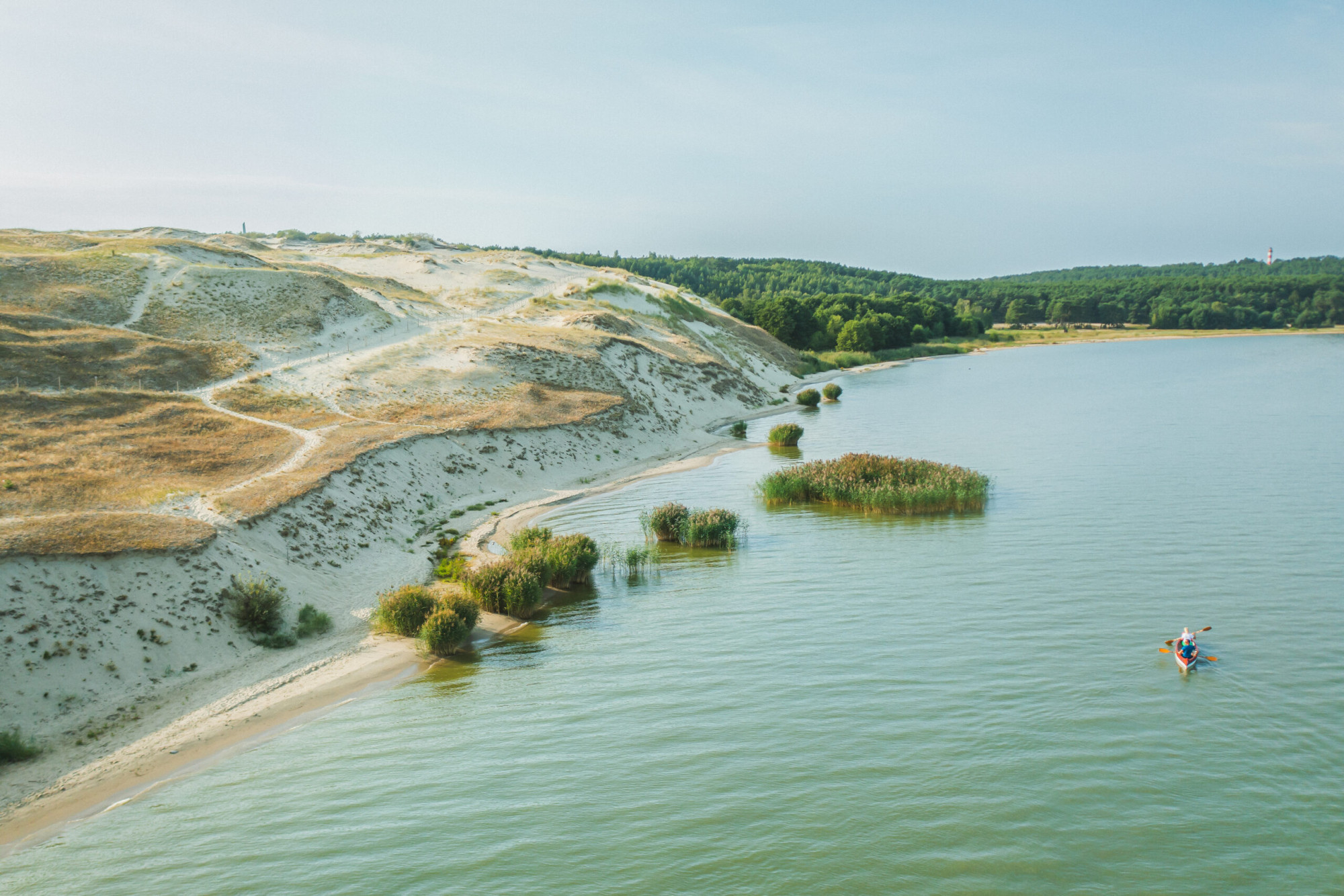
In Lithuania’s Klaipėda Region, the Baltic coast is wide and open. Dunes, wetlands and fishing villages sit close together, shaped by wind, water and everyday life. It is a place people come to breathe. But it is also a place that can be fragile, especially when tourism is concentrated into a short summer season.
ReTour is helping the region take a different path. Instead of chasing volume, the project supports a tourism offer that strengthens nature and communities, and keeps value close to home. It is built around regenerative tourism: not only reducing impact, but using travel to restore what makes the place worth visiting in the first place.
The work starts locally. Tourism businesses, community actors and destination partners come together to define what “regenerative” should mean here, in this landscape. They draw inspiration from tested approaches and then try new ideas on the ground in Klaipėda Region. New experiences are being developed and refined, rooted in local nature, traditions and real coastal life, with practical tools that help small businesses measure progress and improve sustainability step by step.
The aim is to make Klaipėda Region thrive year-round. More meaningful experiences. Stronger local livelihoods. Healthier coastal and wetland areas that stay vibrant for generations.
Tourism helps make this possible. When travellers choose experiences that give back, they support local jobs, encourage better visitor behaviour, and help protect the very places they came to enjoy.
Credits: ETC
- Austria
- Belgium
- Bulgaria
- Croatia (hrvatska)
- Czechia
- Denmark
- Estonia
- Finland
- Germany
- Greece
- Hungary
- Iceland
- Ireland
- Italy
- Lithuania
- Malta
- Monaco
- Montenegro
- The Netherlands
- Norway
- Poland
- Portugal
- Romania
- San Marino
- Serbia
- Slovakia
- Slovenia
- Spain
- Sweden
- Switzerland
- Turkey
- United Kingdom
- Explore Europe
- Cyprus
- Luxembourg
- Sainte-Maxime
- Andorra
- Albania
- Latvia
- Les Etoiles
- Add a spot
- join
- airlines
- Subscribe as a Hotel
- joinus
- Based on results of +1,000 partner creators
- Teller
- Nusa Ba-Li
- Privacy Policy — Hotel.eu Price Checker